
THE COLLECTION
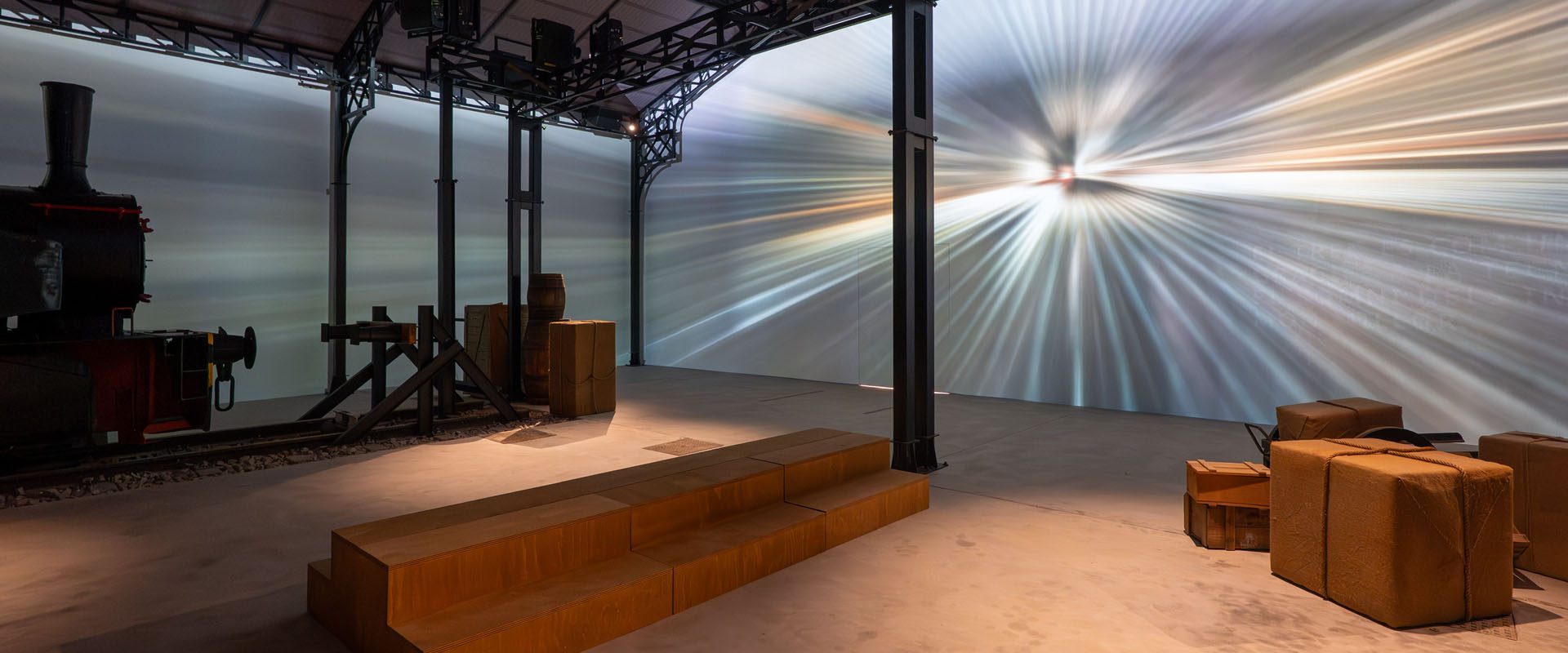
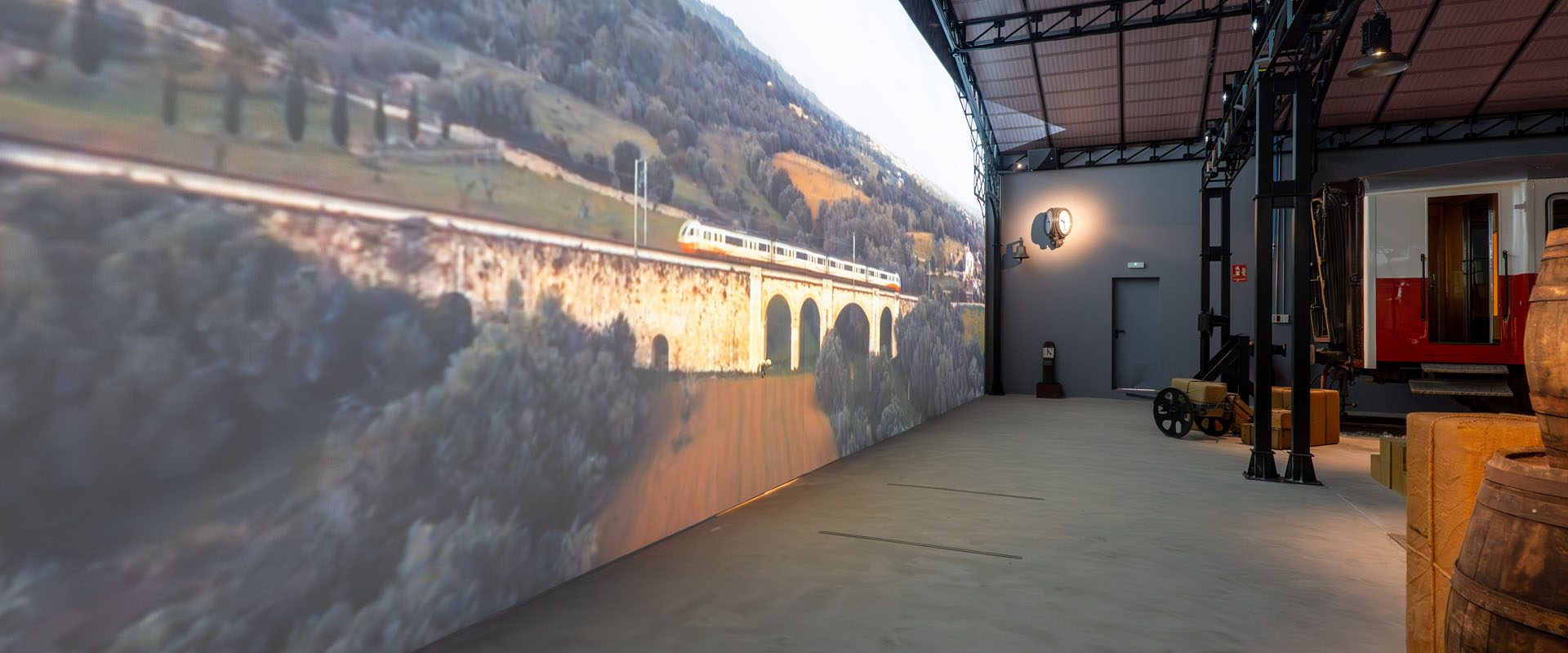
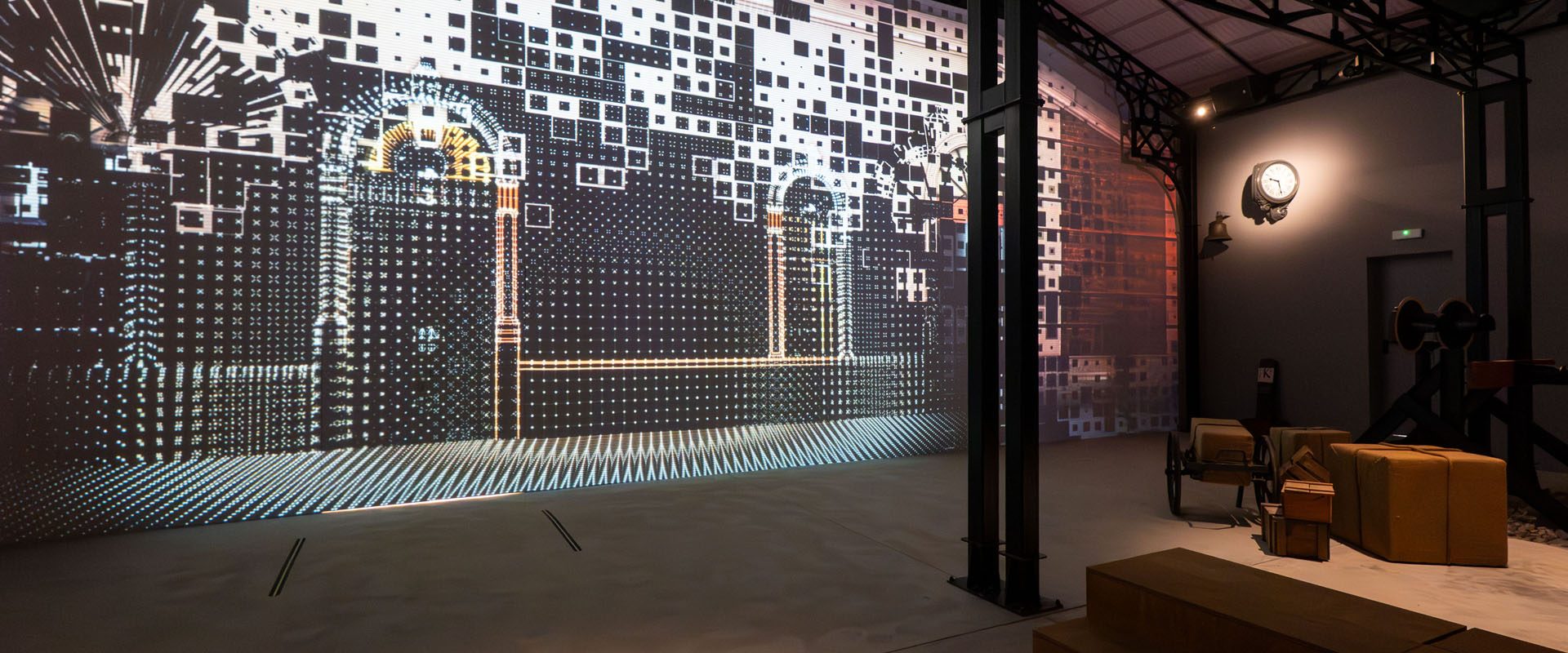
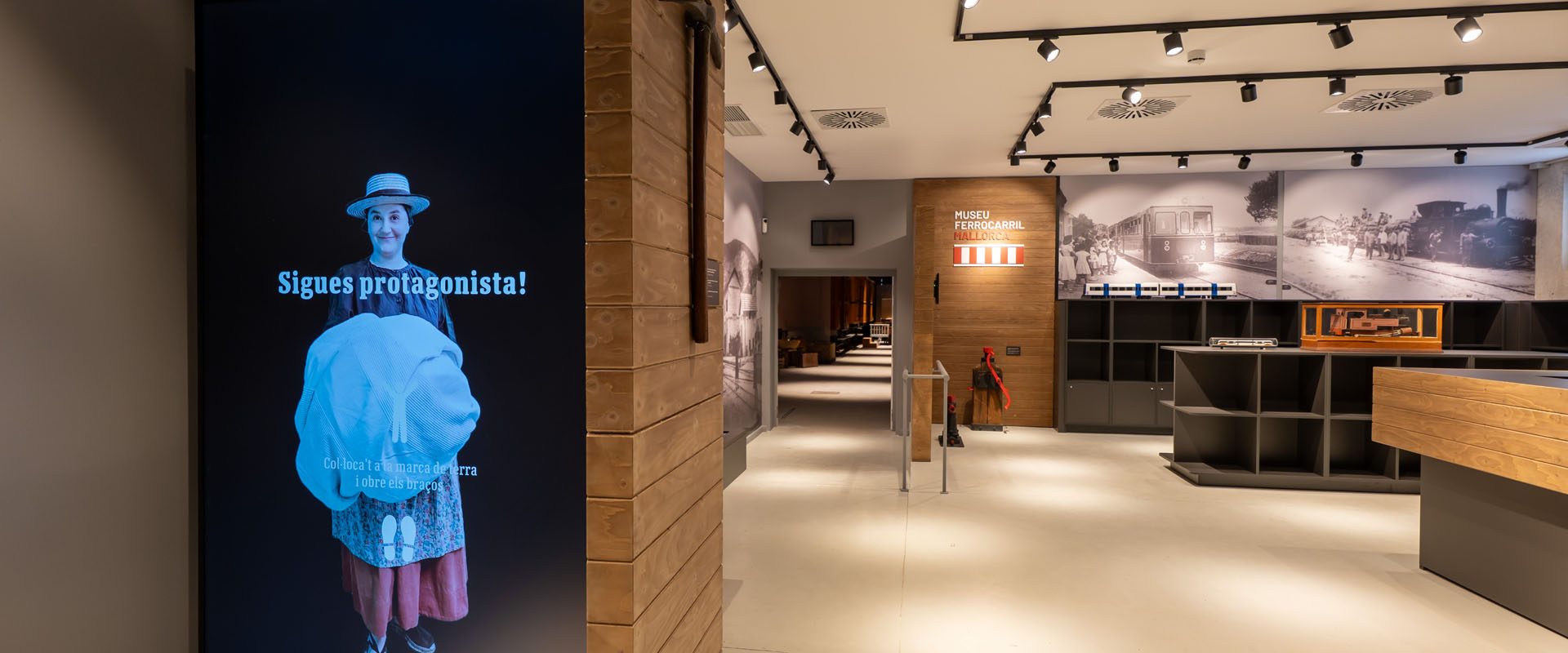
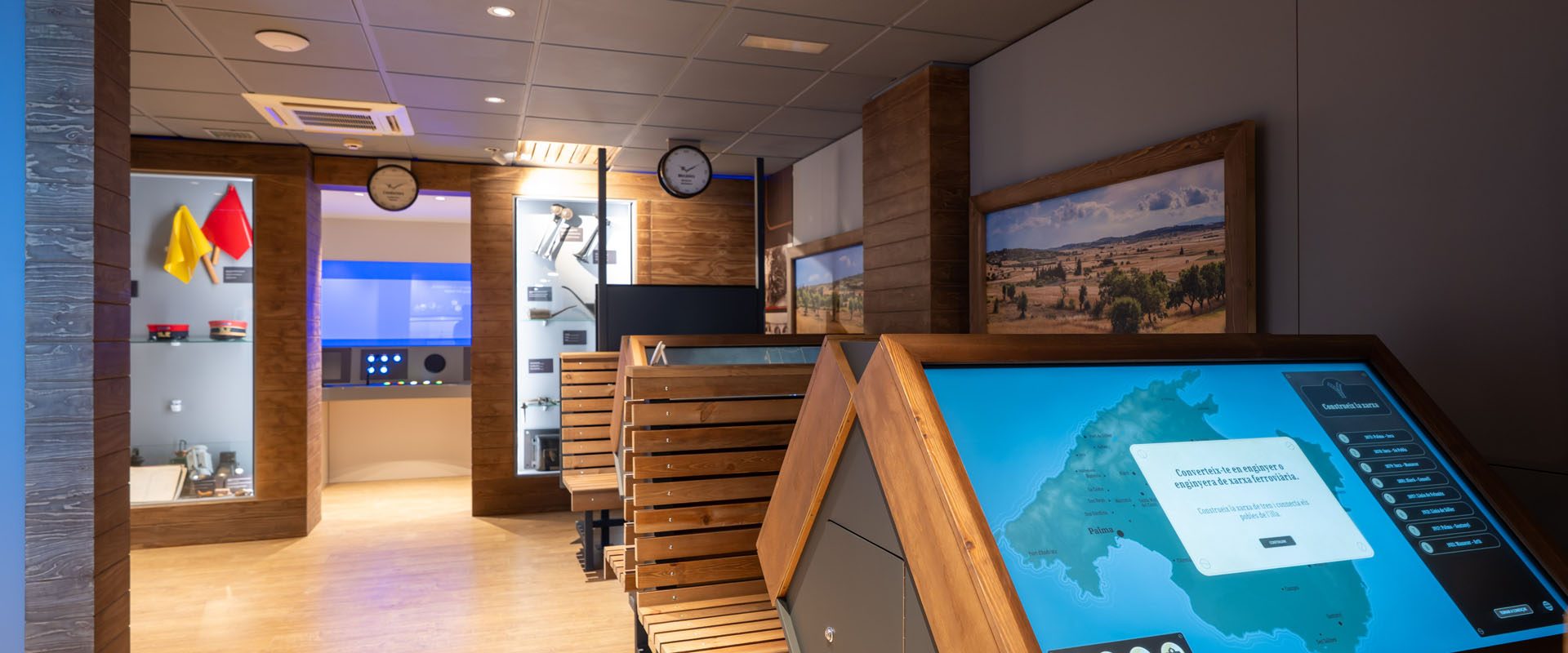
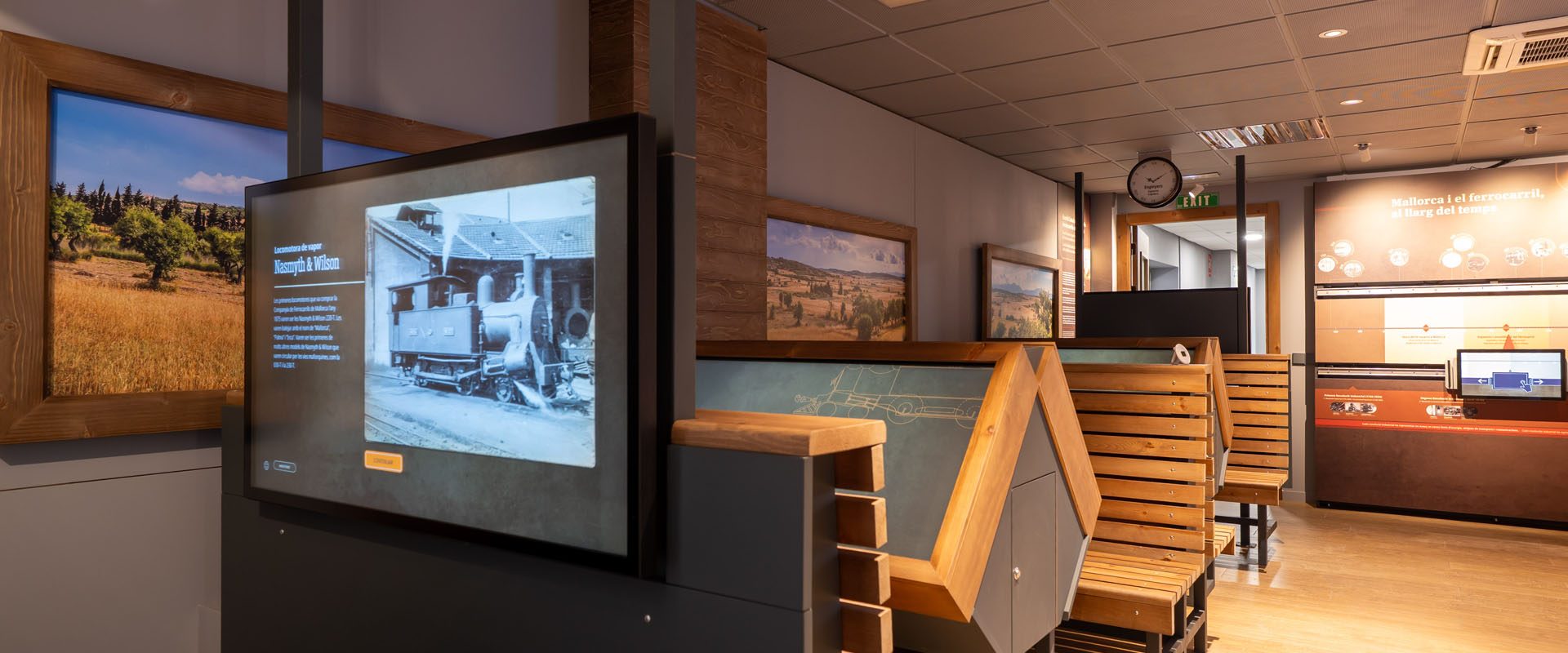
An immersive audiovisual experience where history and technology come together to inspire and engage visitors.
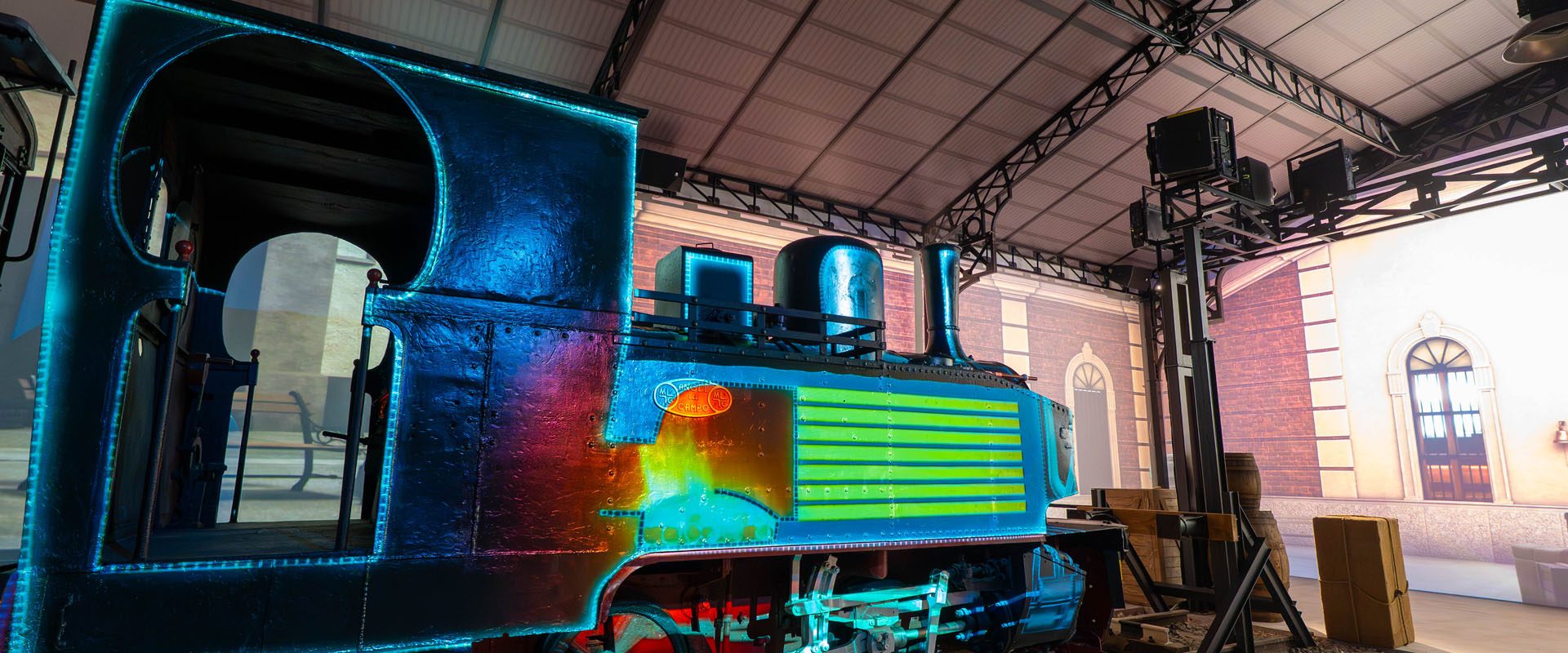
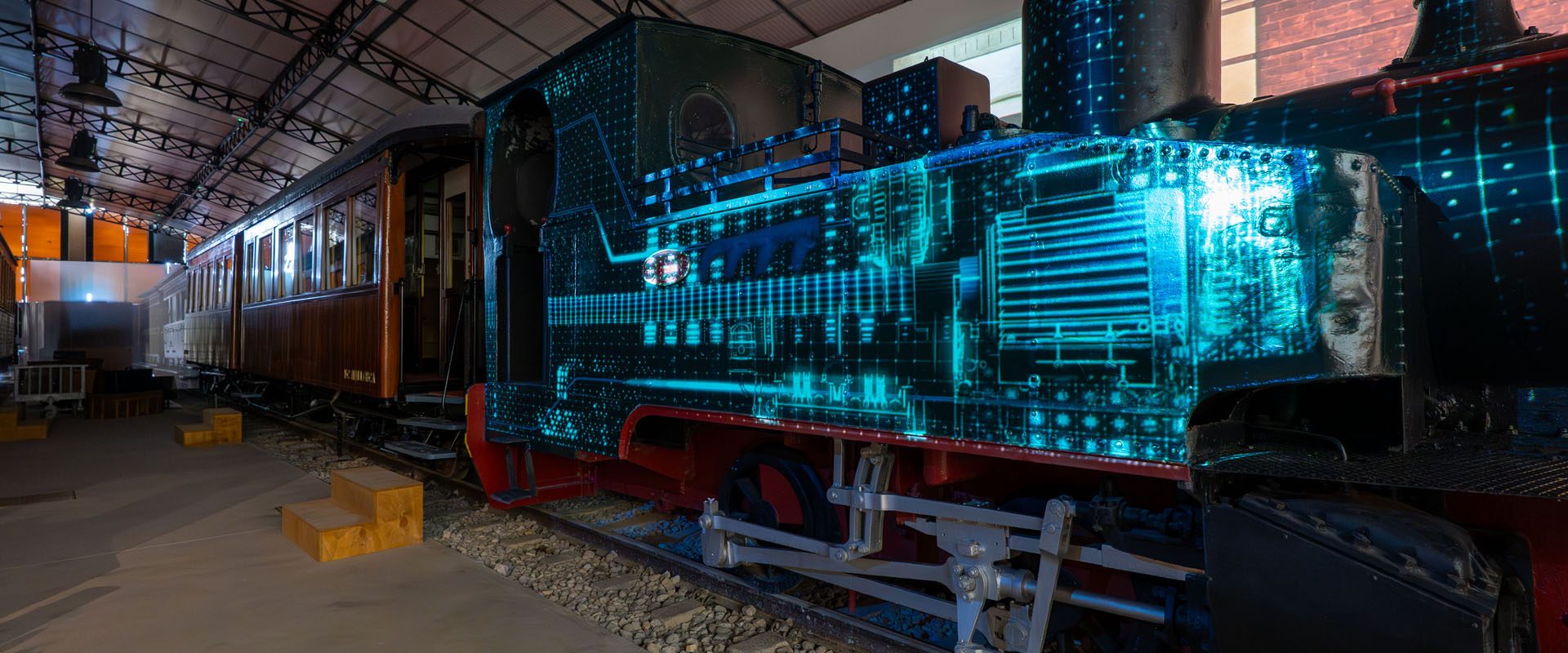
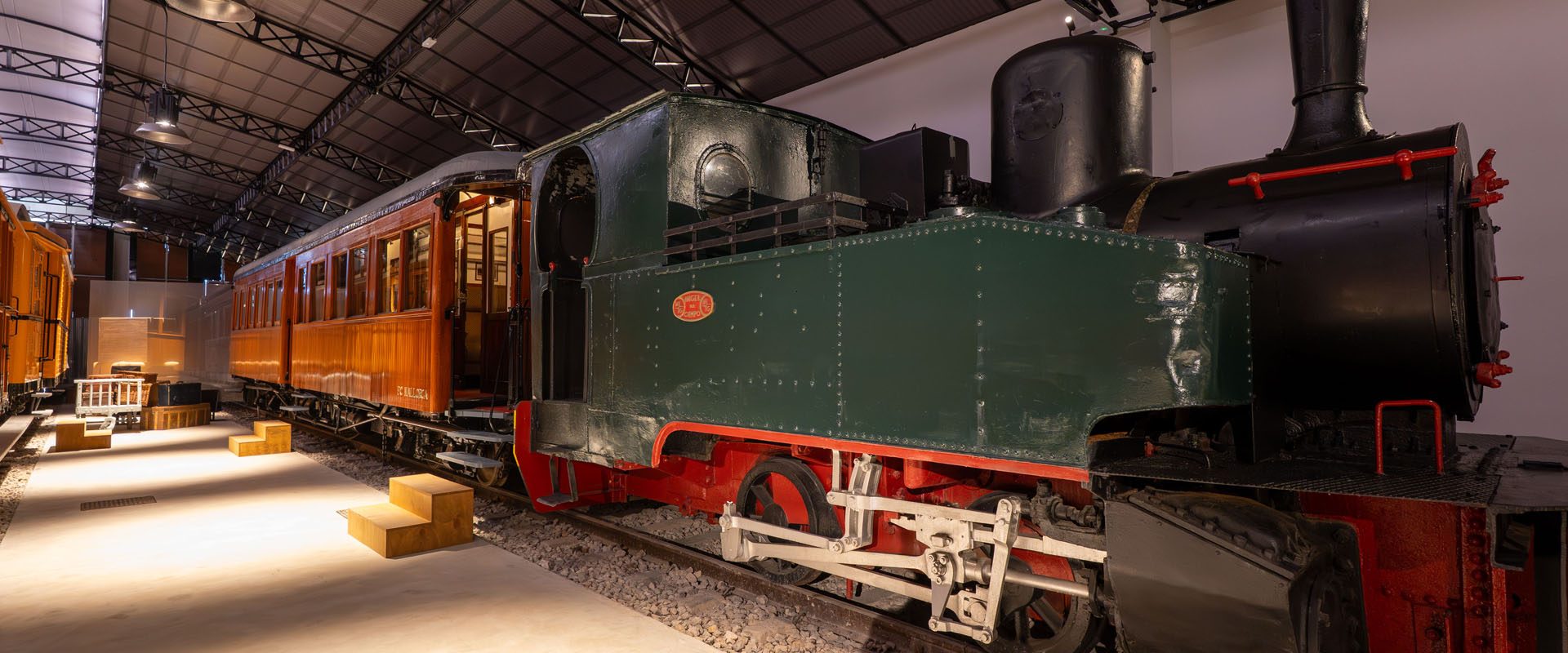
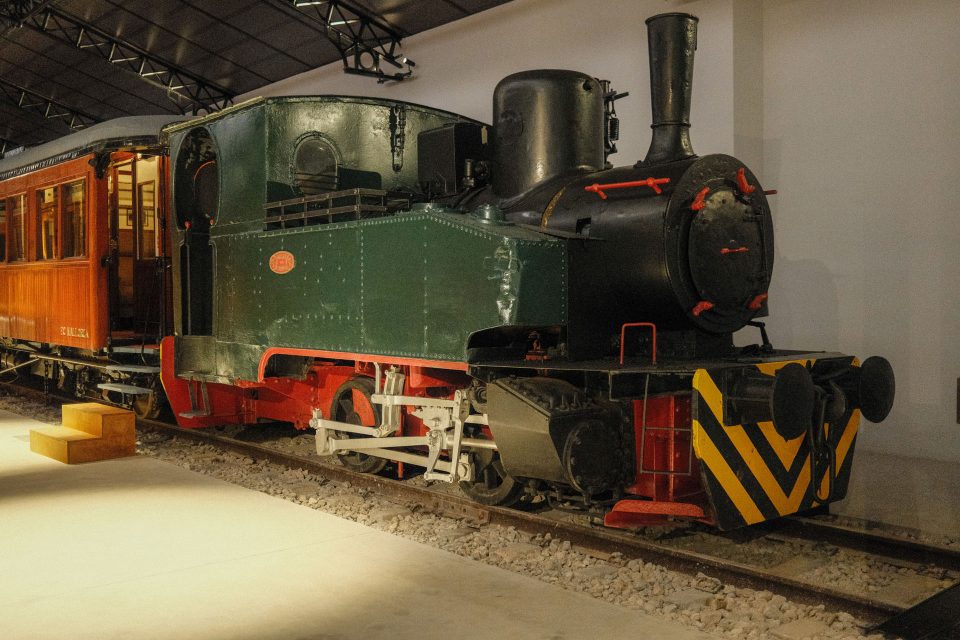
HENSCHEL “ANGEL DEL CAMPO”
This small 0-2-0 steam locomotive was built by Henschel in Germany in 1918. It was originally intended for service on the Tigris Railway in present-day Iraq, where German military railway lines required reinforcement during the First World War. However, delivery was delayed and the locomotive was completed after the end of the conflict. It was later sold to the Spanish Army for use in the Spanish protectorate in the Rif region of North Africa. Following the end of the colonial period, it was acquired by the mining company Sociedad Industrial Asturiana in the 1940s. Finally, José Luís Rius Safont rescued it from scrapping and preserved it in his private garden until it joined the Mallorca Railway Museum in 2025.
This locomotive recalls the small steam engines that once served Mallorca’s railway network.
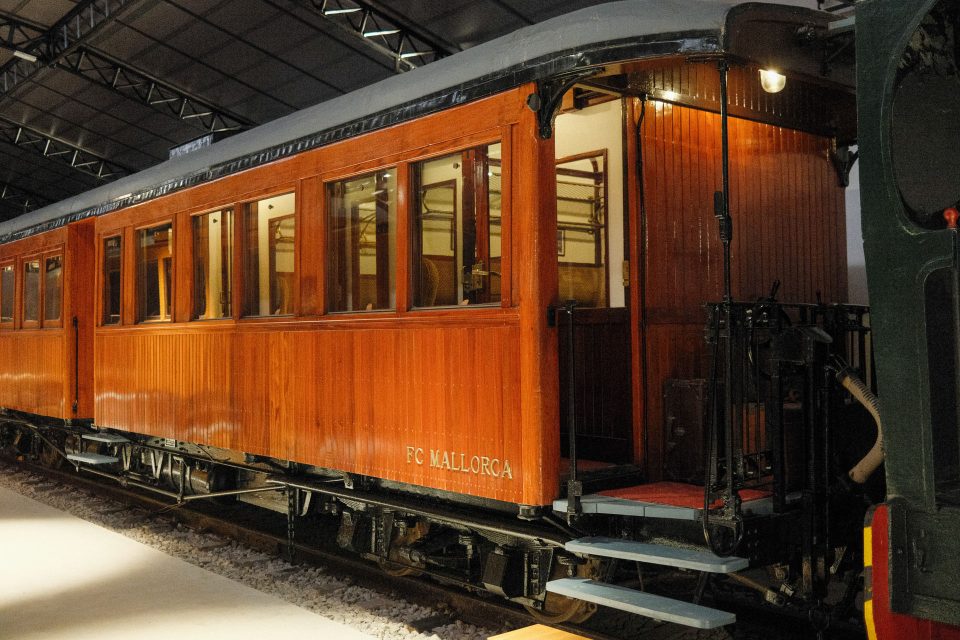
CARDE Y ESCORIAZA
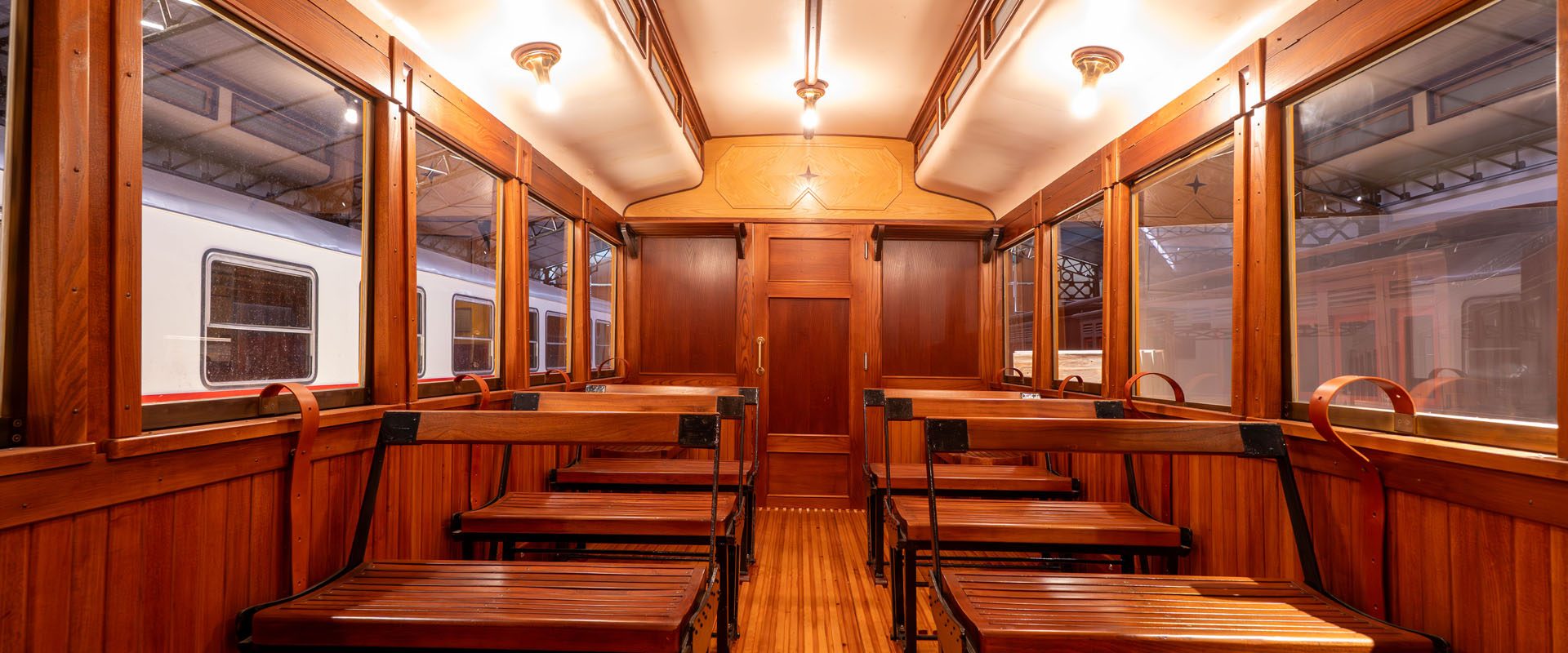
Built in Zaragoza in 1930, this carriage formed part of a series acquired by the Mallorca Railway Company to modernise its fleet. Originally divided into first- and second-class compartments, it was noted for its elegant design. During the 1950s, the second-class section was converted into a saloon coach.
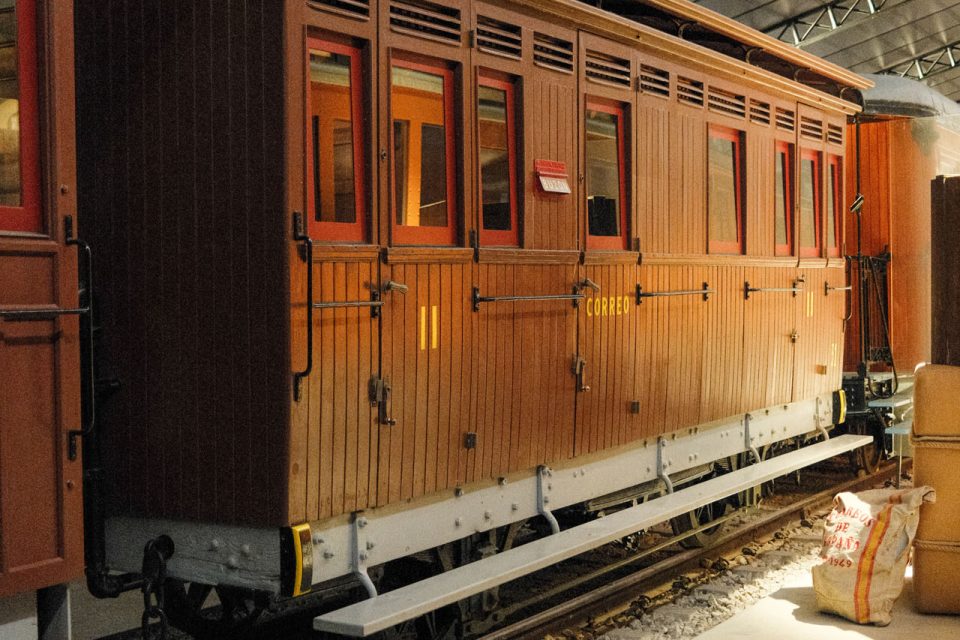
CORREU
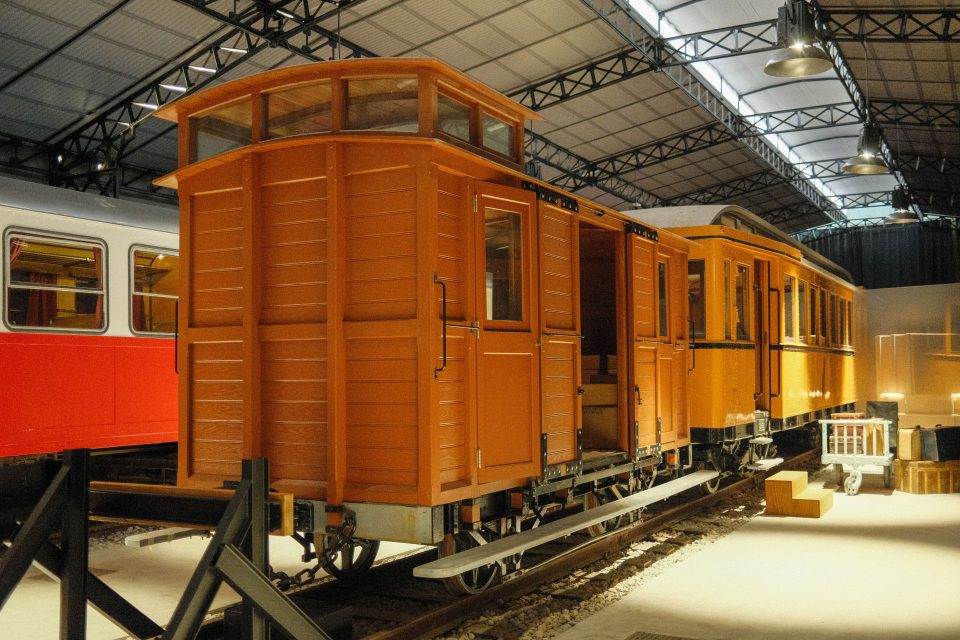
This vehicle is considered one of the jewels of Mallorca’s railway heritage. Built in Swansea, Wales, in 1874, it arrived in Mallorca to serve the island’s first railway line between Palma and Inca. Originally a second-class passenger coach, it was converted into a postal van in 1879 when the railway company became responsible for transporting mail across the island.
Today it is the oldest surviving railway mail van of its type in Spain and is likely among the oldest in Europe.
Brown Marshal
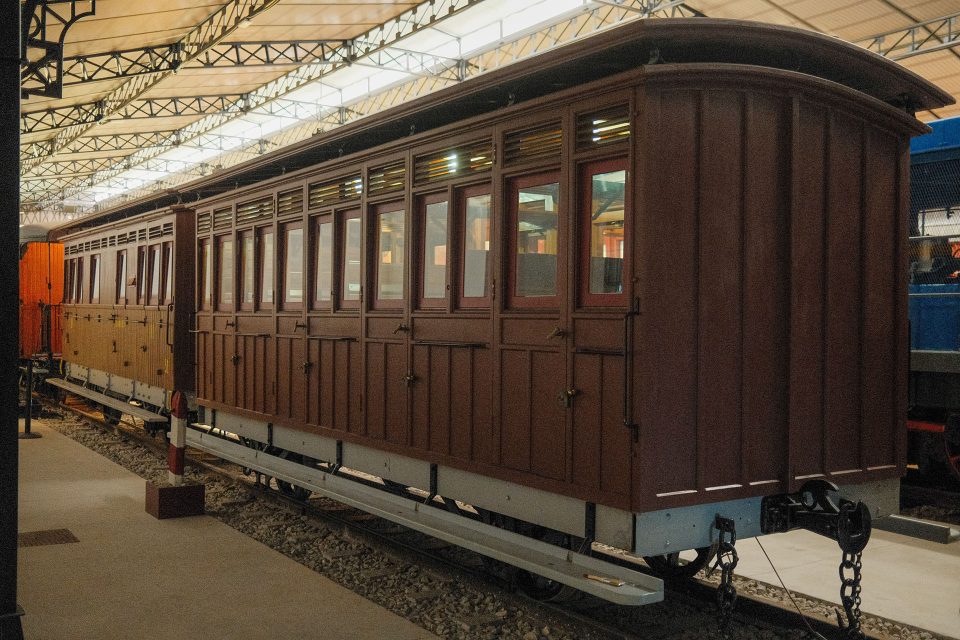
This vehicle was reconstructed by the FERROCAIB Foundation using original plans.
Carriages of this type were built in England during the final decades of the nineteenth century for use on Mallorca’s railways. They are characterised by their side entrances and the absence of an internal corridor.
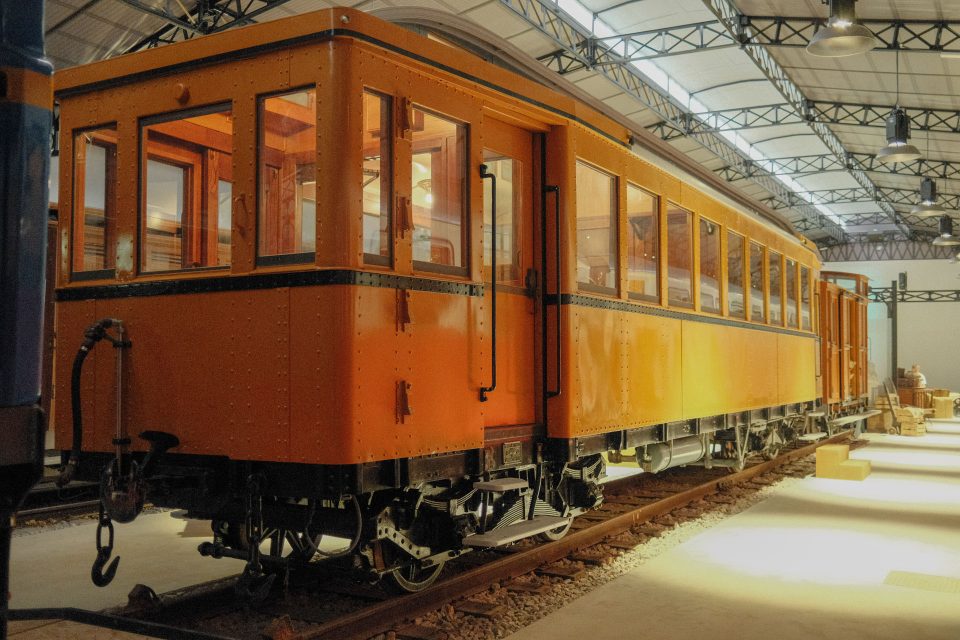
Wumag 416
Built in Görlitz, Germany, in 1927, this vehicle has an unusual history. Following the First World War, the Treaty of Versailles required Germany to pay compensation to several countries. Part of these reparations were delivered in the form of railway equipment, including this series of coaches, which were sent to Portugal. The vehicles were never used there. In 1942, Spain required additional railway stock and the coaches were transferred to Valencia for use on narrow-gauge lines. They remained in service until 1981, when FEVE transferred this vehicle to Mallorca, where it was adapted for maintenance and engineering work.
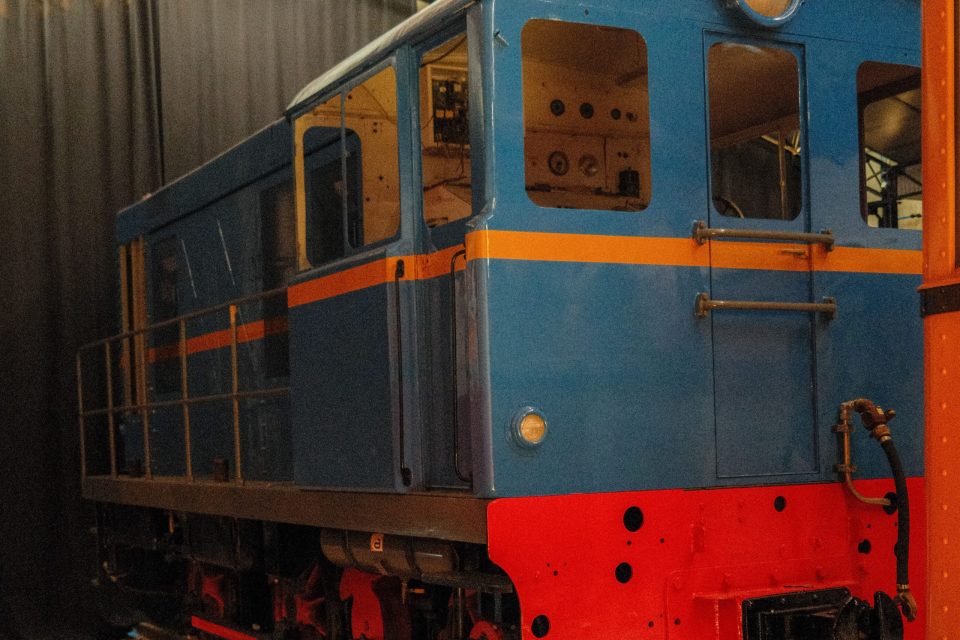
Batignolles
Built by CAF in 1961, this locomotive first operated on the Tauste–Sádaba–Gallur railway in Aragón. Following the closure of that line during the 1960s, it was transferred to FEVE’s northern Spanish network, specifically to La Casilla station in Bilbao. It is one of the few surviving locomotives associated with Mallorca’s railway heritage.
Brake Van
This vehicle was reconstructed by the FERROCAIB Foundation using original plans.
It was designed to transport parcels while also serving as an additional braking vehicle. Before the 1930s, only locomotives were equipped with braking systems. For this reason, trains included brake vans fitted with manual brakes that helped slow and stop the train when required.
Passenger Carriages
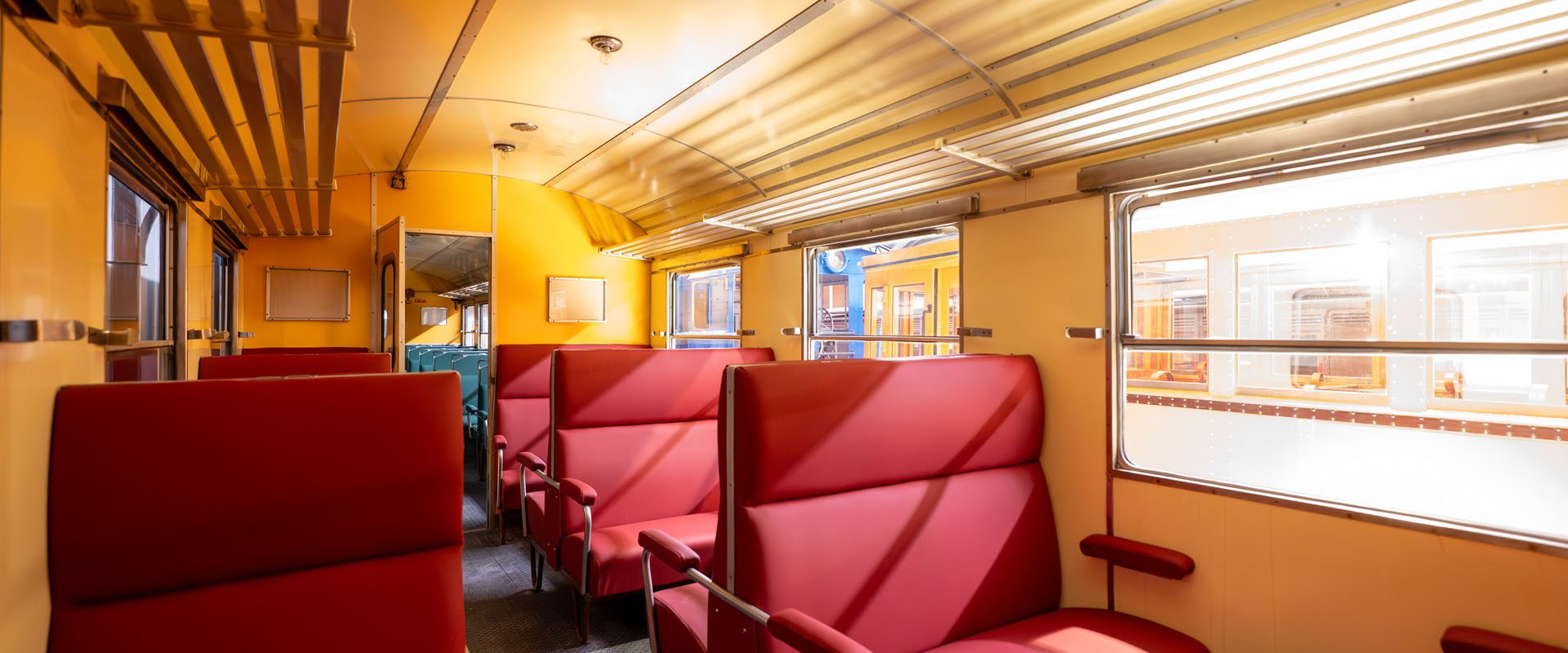
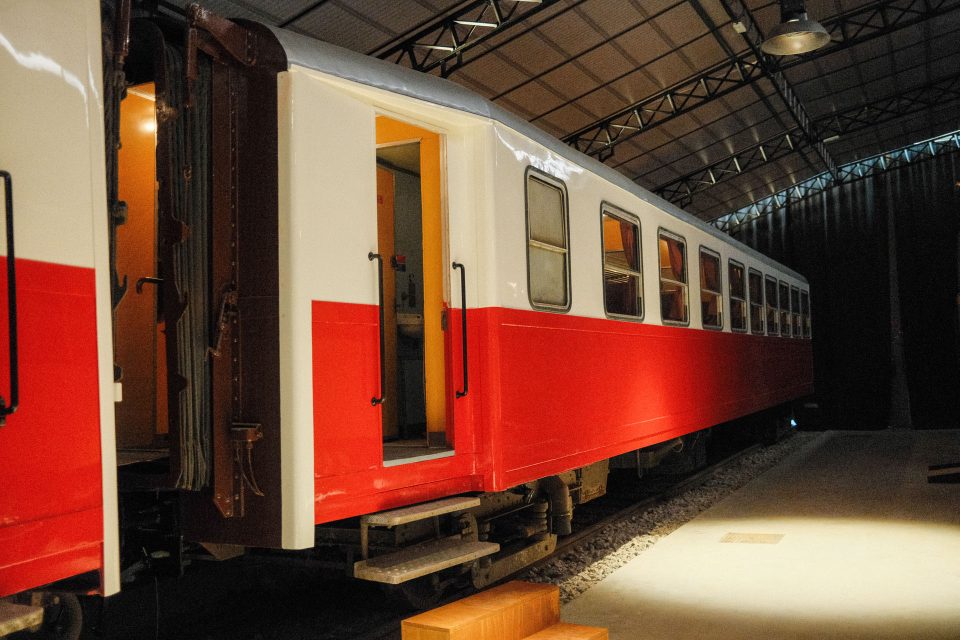
Known as the “Napolitanos”, these passenger coaches were built by the Compagnia Meridionale Ferroviaria in Italy in 1931. They are elegant vehicles with a large passenger capacity and are particularly notable for their advanced and innovative construction techniques for the period.
Locomotive E95
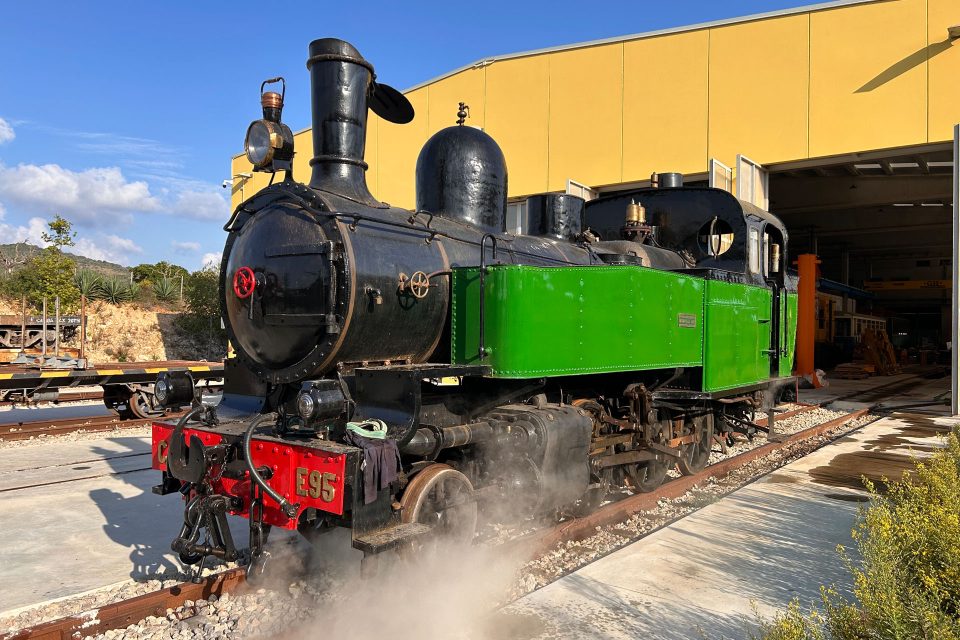
This 1-3-0 steam locomotive was built by Decauville in 1910. Throughout its working life it operated on Portugal’s narrow-gauge railway network, particularly on the Vouga Line.
It joined the Mallorca Railway Museum collection in 2025.
ALSTHOM 1000
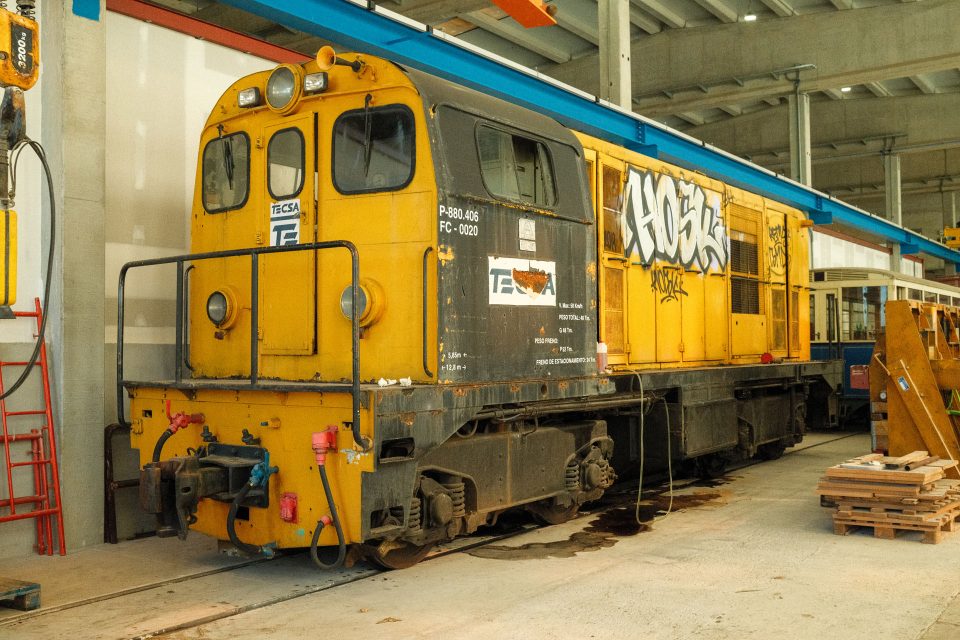
This diesel locomotive was built by Alsthom in 1964. It operated on FEVE lines in northern Spain and is powered by a 1,000-horsepower engine. The locomotive became part of the museum collection in 2025.
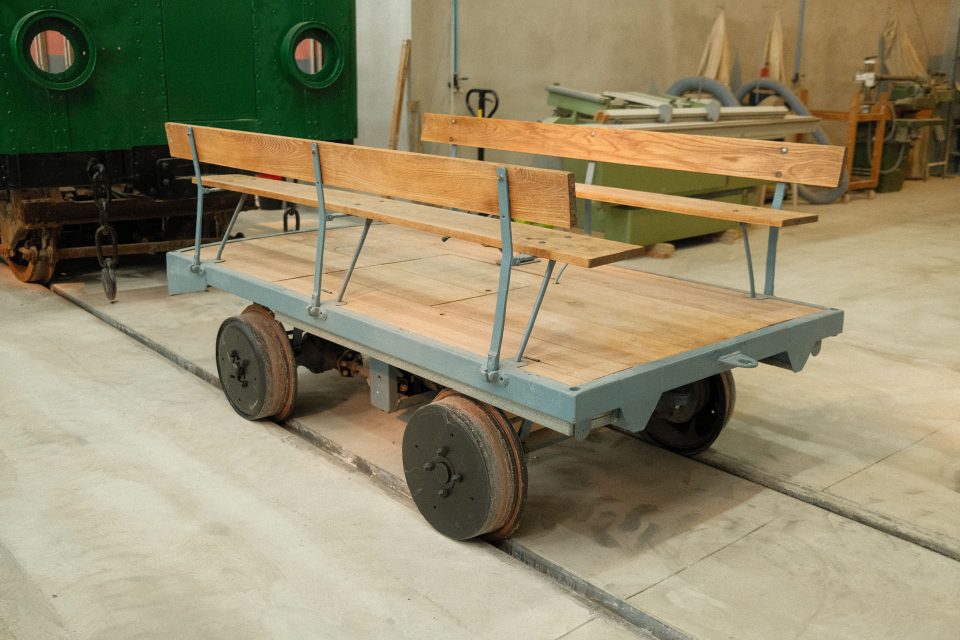
Dressina
This small rail vehicle was used by maintenance crews working on Mallorca’s railway lines.
It is powered by a Hispano-Villiers engine and was built in a workshop in Palma, although the exact manufacturer is unknown.
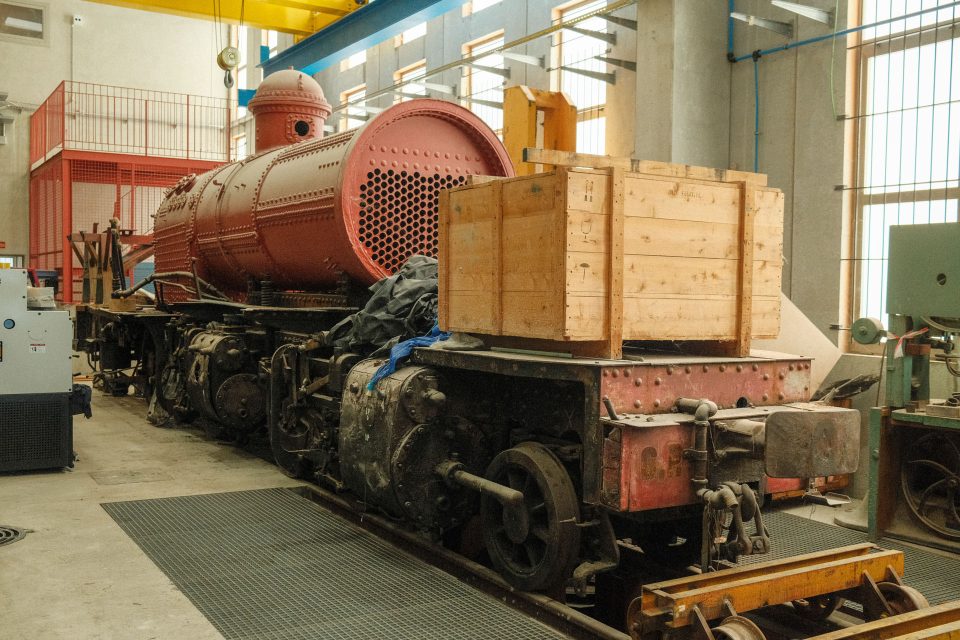
CPE 215
Built by Henschel in 1921, this locomotive operated on Portugal’s narrow-gauge railways.
It is currently being assessed for restoration. The locomotive features a Mallet articulated system, which allows it to negotiate tight curves more effectively.
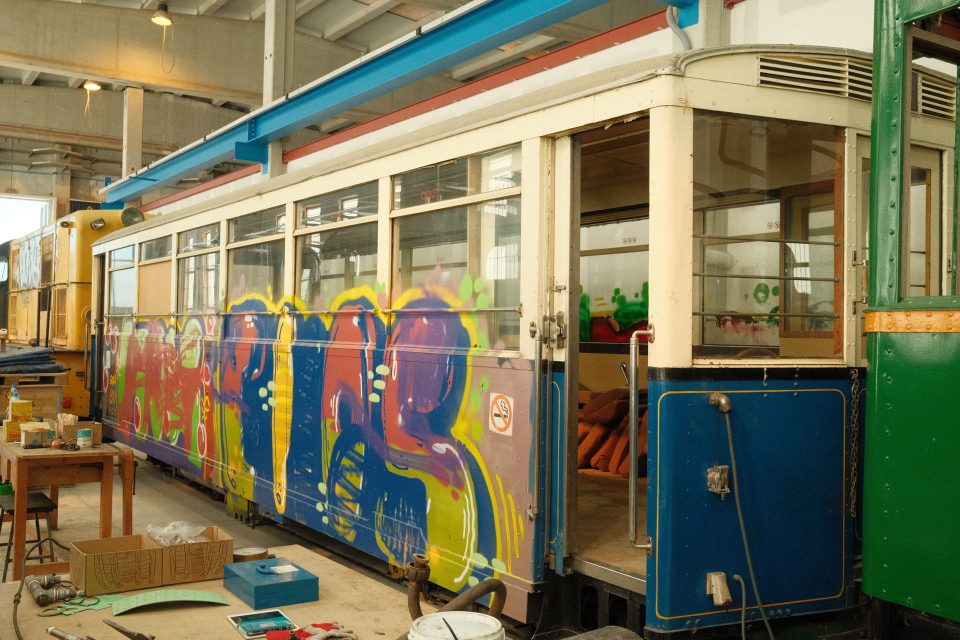
Rack Railway Carriage No. 21
This carriage was donated to the FERROCAIB Foundation by FGC (Ferrocarrils de la Generalitat de Catalunya). Built in Germany by Westwaggon in 1929, it originally operated as a second-class passenger carriage on the Núria Rack Railway.
The museum
An immersive audiovisual experience where history and technology come together to thrill the visitor.