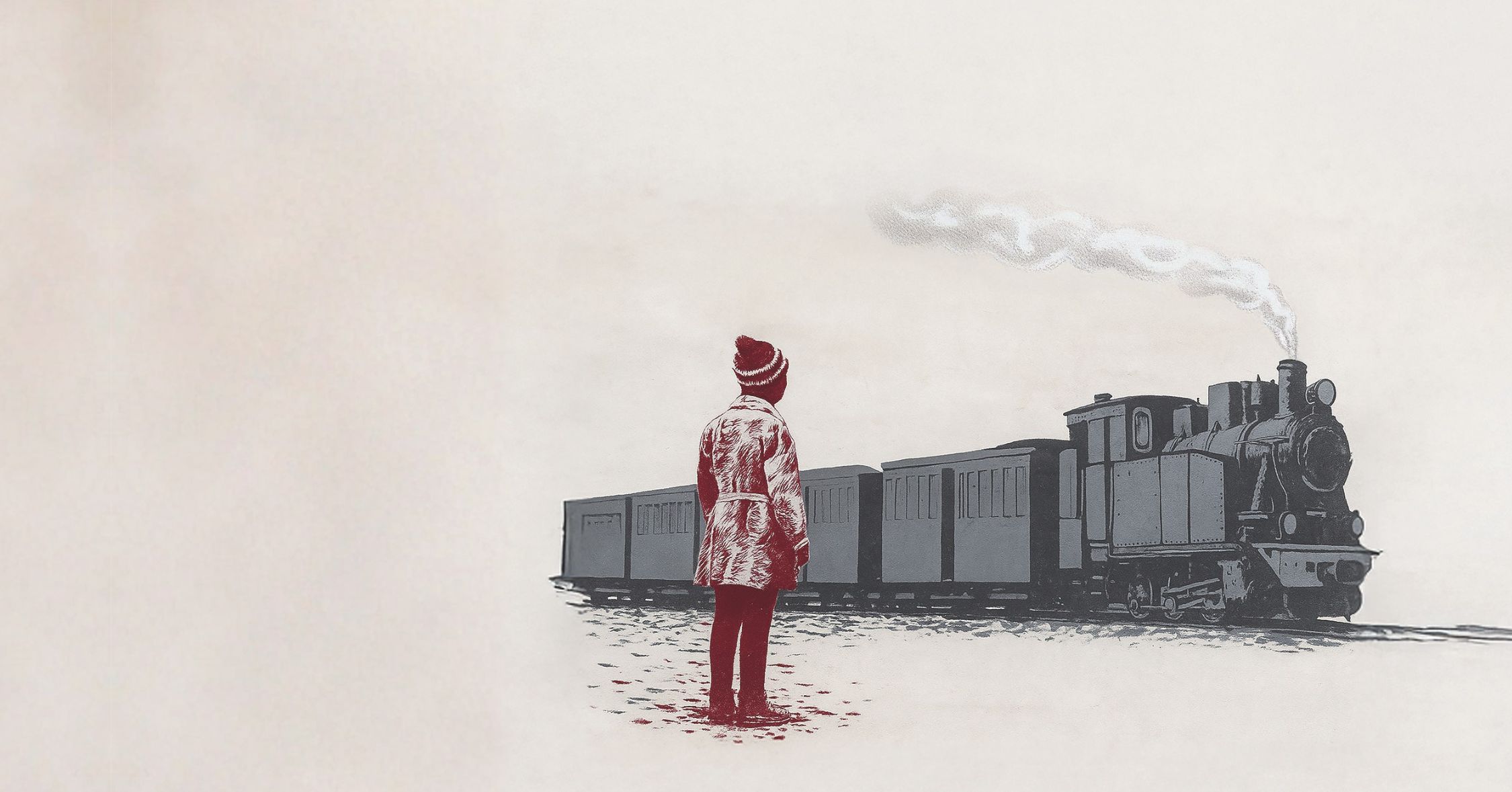
of Mallorca's railways to life.


RAILWAY MUSEUM
The Mallorca Railway Museum invites visitors on a journey through time through an immersive audiovisual experience where history and technology come together to create a unique and memorable visit.
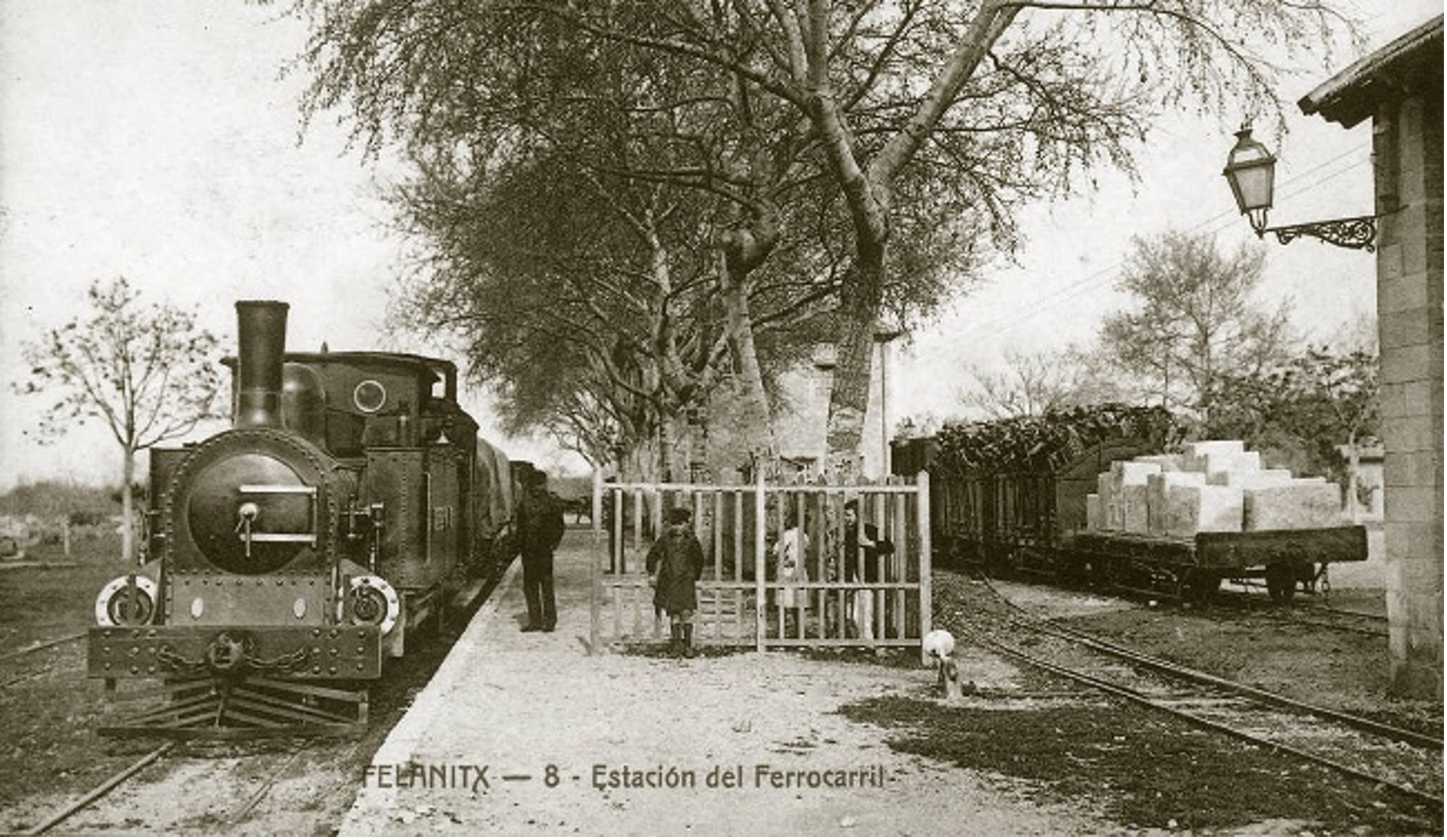
Surrounded by music, digital projections and even the sound and atmosphere of a steam locomotive, visitors are transported back to the late nineteenth century. The experience begins in a recreated railway station, brought to life through scenery, projections and holograms that revive the excitement of Mallorca’s first train journeys.
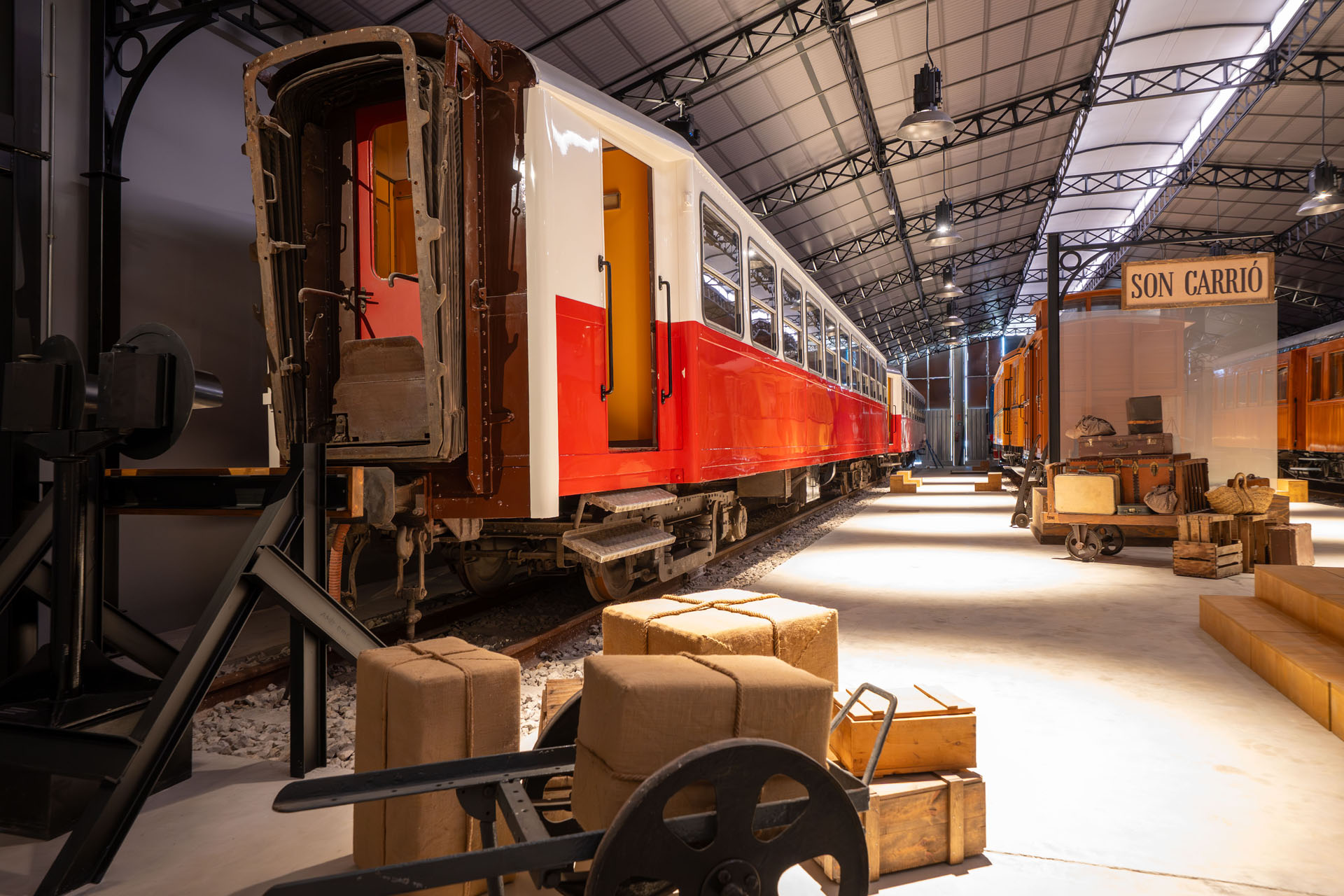
The station master then invites visitors aboard a restored historic carriage to travel through the Mallorca of the past. Through panoramic projections, landscapes and scenes from another era which unfold before your eyes. Guiding the journey is Eusebi Estada, the engineer behind Mallorca’s original railway network and one of the island’s most influential figures of the nineteenth century. The visit continues in an interactive area which features games, digital resources and a train-driving simulator.
INTERACTIVE ZONE
Explore, discover and interact with objects and tools linked to the railway world of the past.
The experience continues in an interactive gallery where visitors can learn more about the history of rail transport in Mallorca through games, digital resources and hands-on activities. The space also features a driving simulator that offers the opportunity to experience what it feels like to be a train driver for a day. More than a museum, it is a journey through time: a sensory experience where sound, image and movement come together to bring Mallorca’s railway heritage to life.
THE EVOLUTION
A timeline of Mallorca's railway history.
THE BEGINNING OF THE RAILWAY ERA
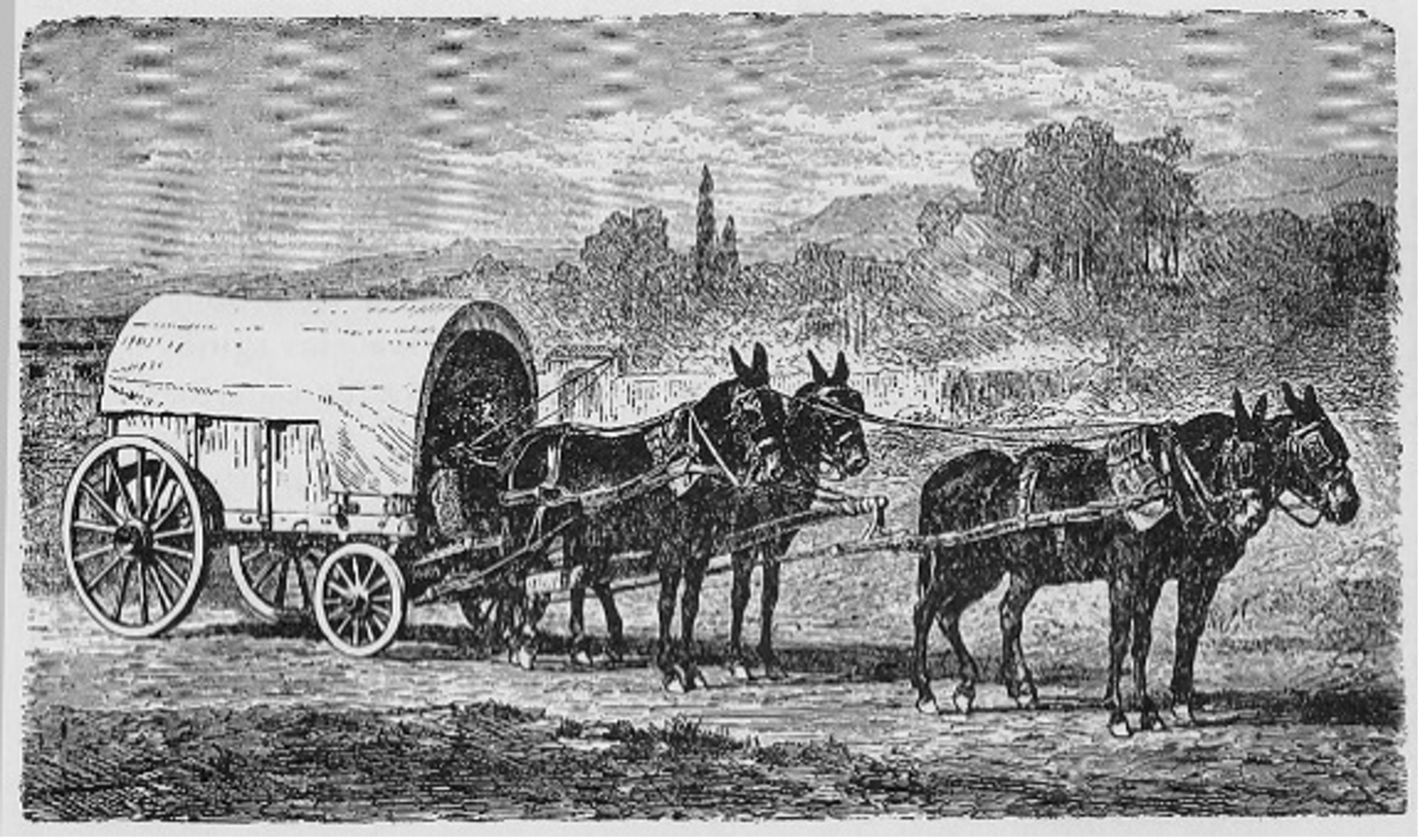
Like many regions of Spain, Mallorca experienced industrialisation relatively late. During the second half of the nineteenth century, the island's economy remained largely agricultural, while transport between towns was often slow and inefficient. The arrival of the railway was seen as a great opportunity to improve mobility, strengthen trade and support economic development by connecting Palma with the rest of Mallorca.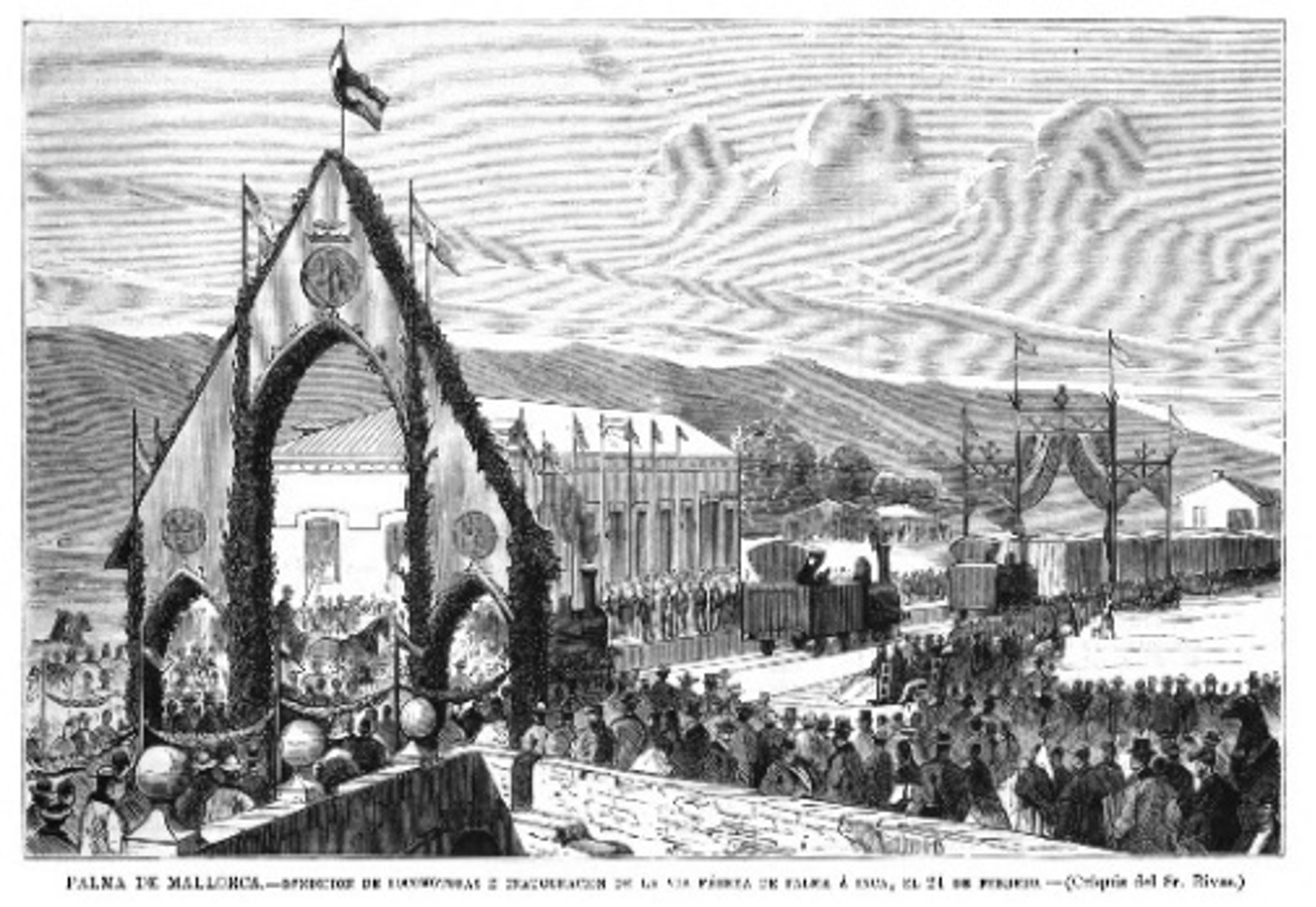
REALITY IN MALLORCA
After three years of planning and construction led by Eusebi Estada, Mallorca's first railway line officially opened in 1875 and was enthusiastically welcomed by the public. The route connected Palma and Inca, with stations at Es Pont d'Inca, Marratxí, Santa Maria del Camí, Consell, Binissalem and Lloseta.