
Desde 1875
A HISTORICAL JOURNEY
These are the most important milestones in the history of railways in Mallorca.
1870 - 1900
1870 - 1900
Mallorca
THE BEGINNING OF THE RAILWAY ERA
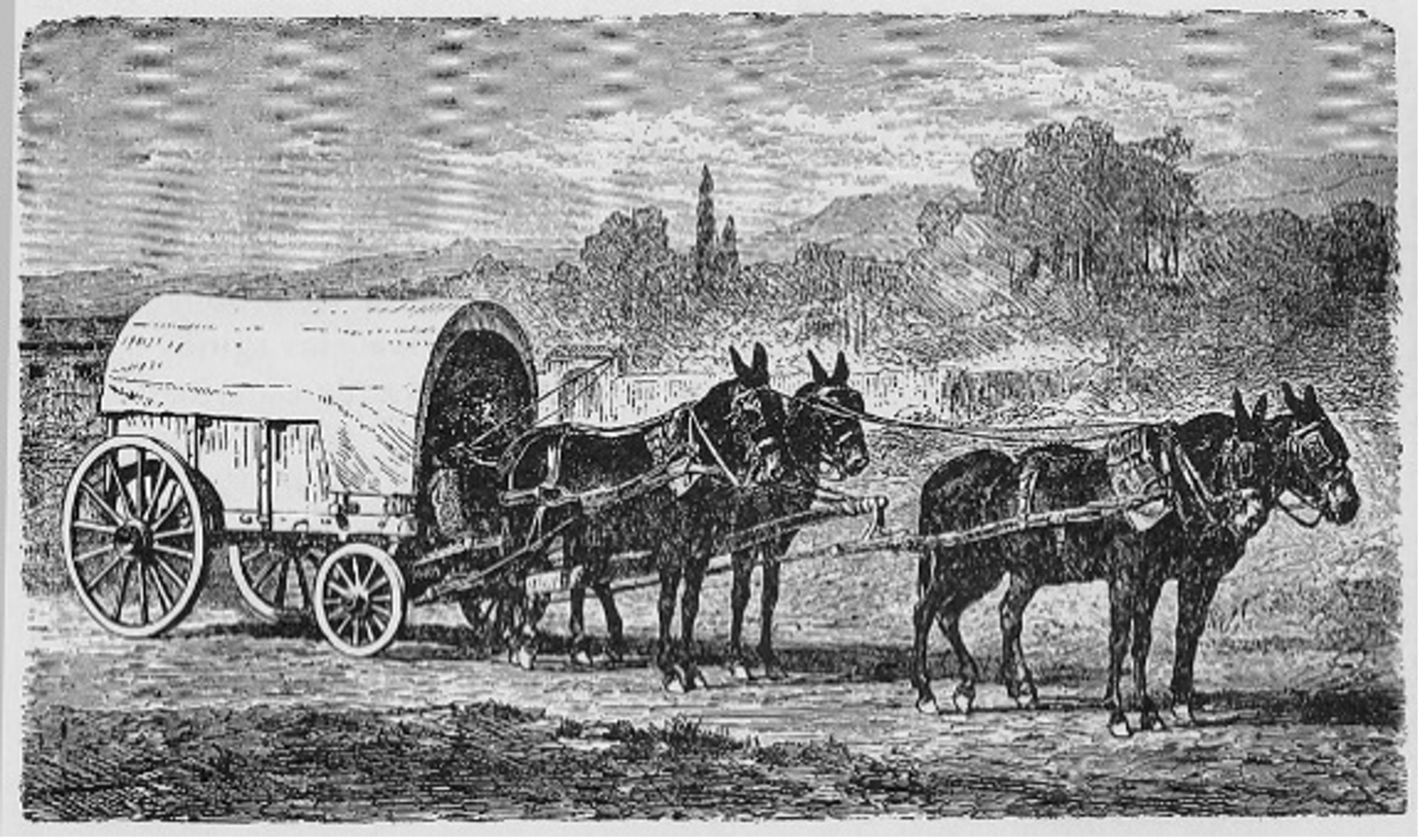
As in many other regions of Spain, the Industrial Revolution arrived relatively late in Mallorca, and throughout the second half of the nineteenth century the island's economy remained largely agricultural. Communications between towns were also limited, as the transport of people and goods by carts and stagecoaches was slow and uncomfortable.The construction of the railway was therefore seen as a major opportunity to stimulate trade, industry and mobility across the island.
1875
1875
Railways Become
A REALITY IN MALLORCA
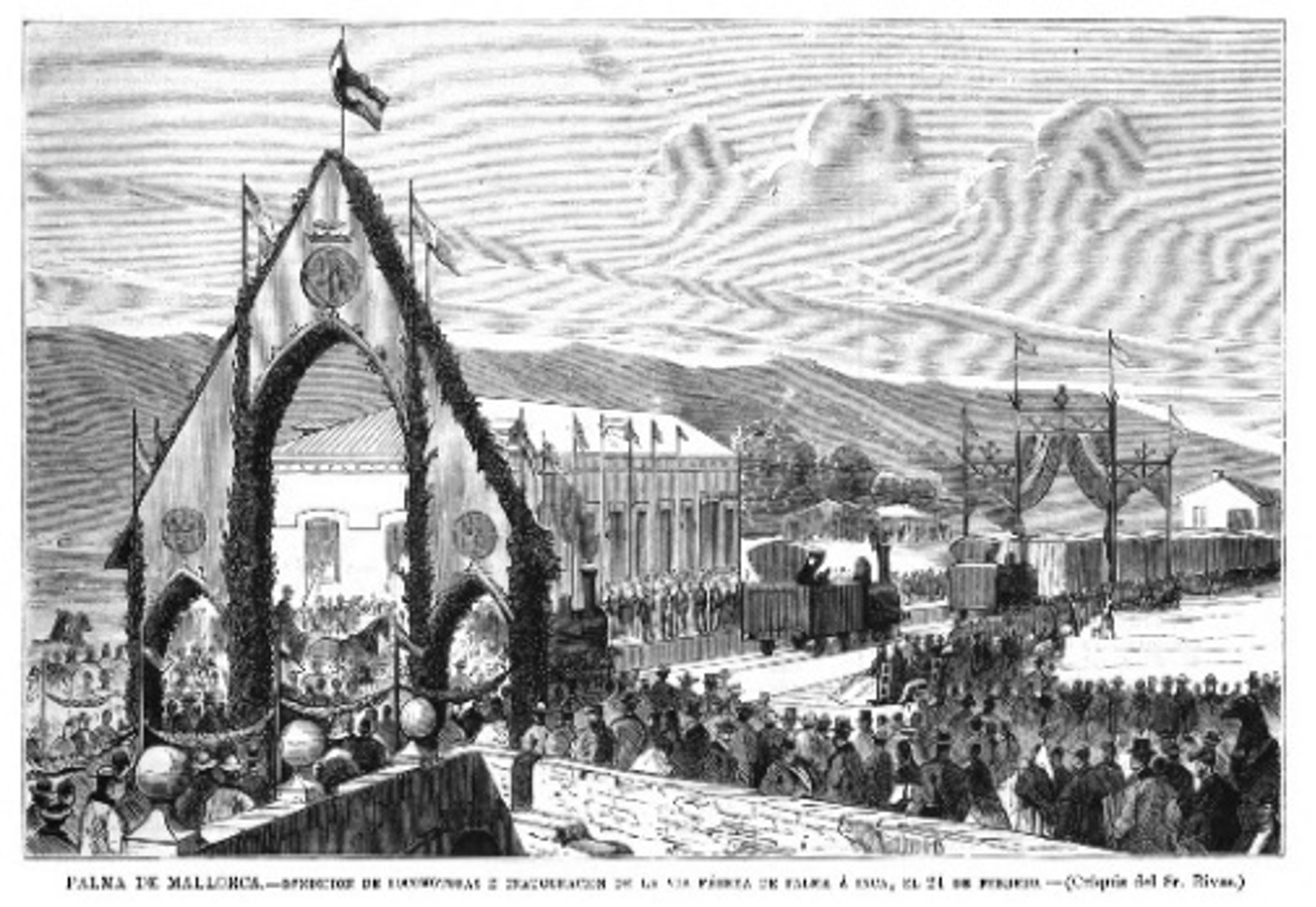
In 1875, after three years of planning and construction personally directed by Eusebi Estada, Mallorca's first railway line was officially inaugurated and enthusiastically welcomed by the public. The route connected Palma and Inca, with stops at Es Pont d'Inca, Marratxí, Santa Maria del Camí, Consell, Binissalem and Lloseta.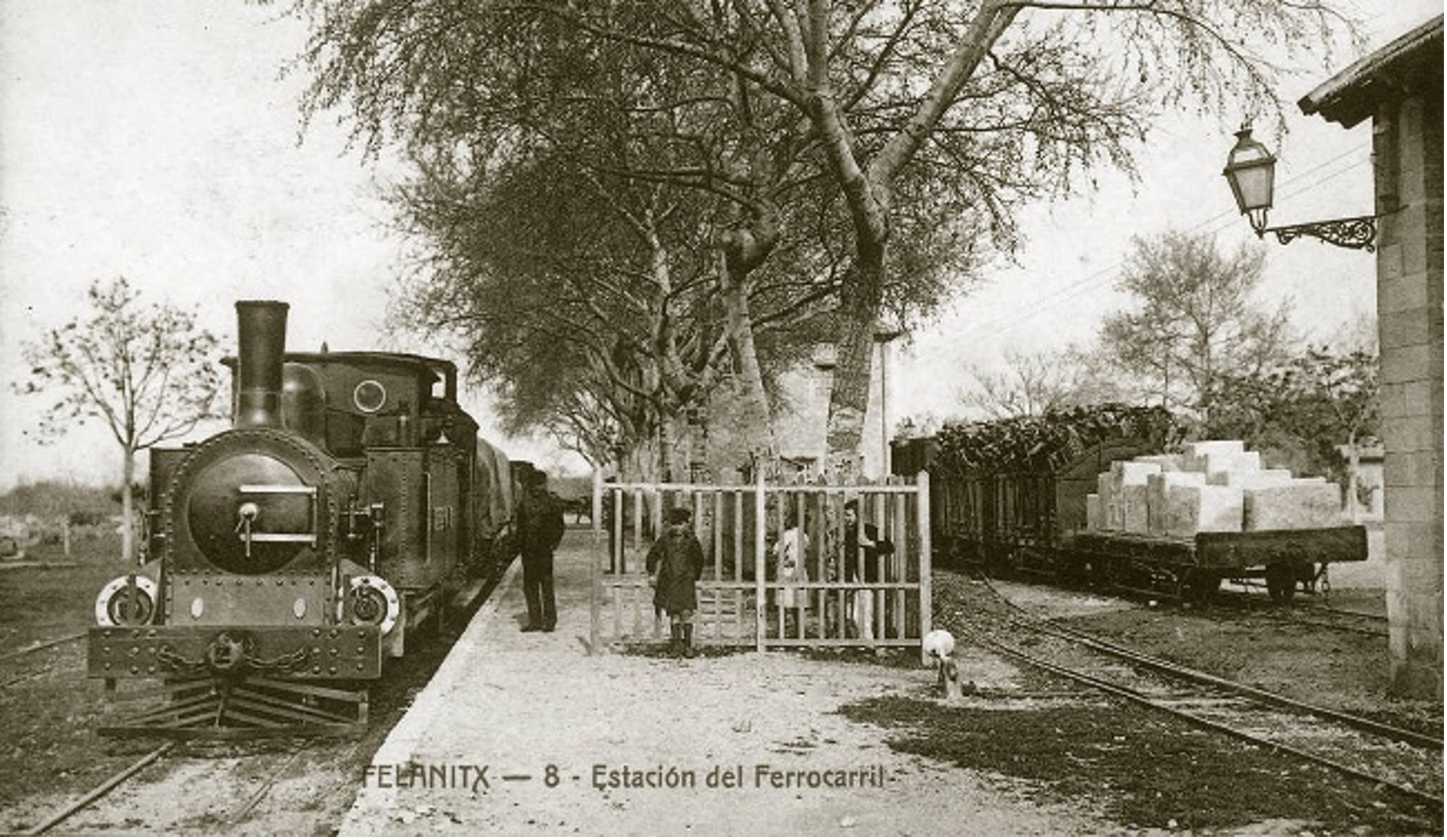
1879
1879
New Horizons
THE MALLORCAN RAILWAY
The success of the first line encouraged the expansion of the network. In 1878, the railway reached Sa Pobla, and in 1879 it was extended to Manacor via Sineu and Petra. In 1881, a branch line linking Alaró and Consell was opened. The final line, inaugurated in 1897, connected Santa Maria del Camí and Felanitx.Within just a few years, the railway company had linked many of the island's main productive centres.
In 1877, a tram service connecting Palma and the harbour was also introduced. This helped transform the port into an important distribution centre for goods, contributing to industrial development and facilitating the arrival of manufactured products, technology and foreign investment.
1881
1881
Mallorcan Capital
RAILWAY SUCCESS
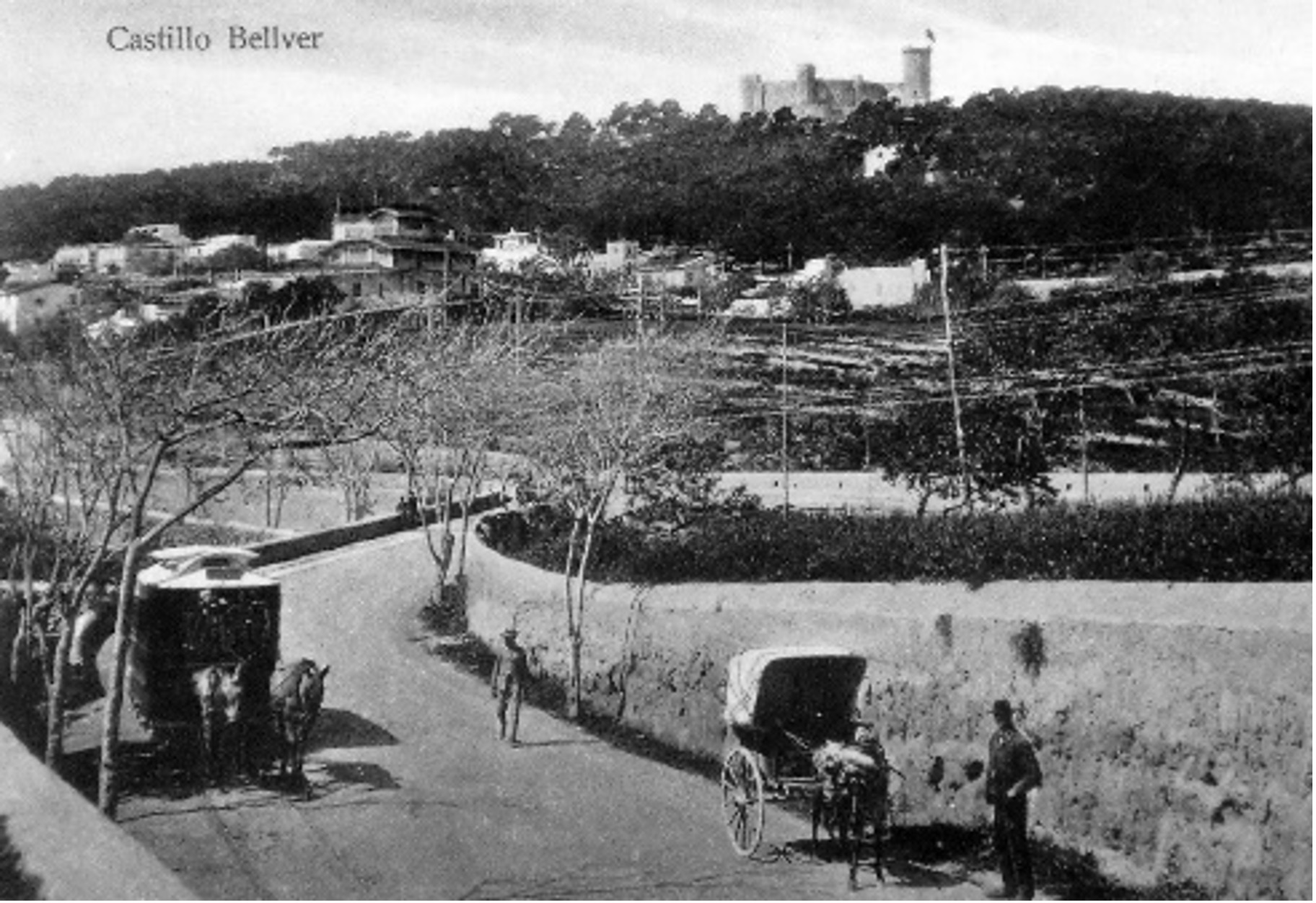
Eusebi Estada, the driving force behind the Palma–Inca railway, strongly believed that the necessary investment should come from Mallorcan capital and rejected the participation of both the Spanish State and foreign investors. This led to the creation of the Mallorca Railway Company and later the Majorca Railways Company. The Alaró Railway Company also played an important role, building in 1881 a line connecting the town of Alaró with Consell station on the Palma–Inca route. At the time, Alaró was an important mining and industrial centre. Local entrepreneurs promoted the line to facilitate the transport of goods through the island's railway network and onwards to the port. In 1891, the Mallorcan Tramway Company inaugurated its first line between Cort and Porto Pi, followed by a passenger service similar to the freight route linking the railway station and the harbour.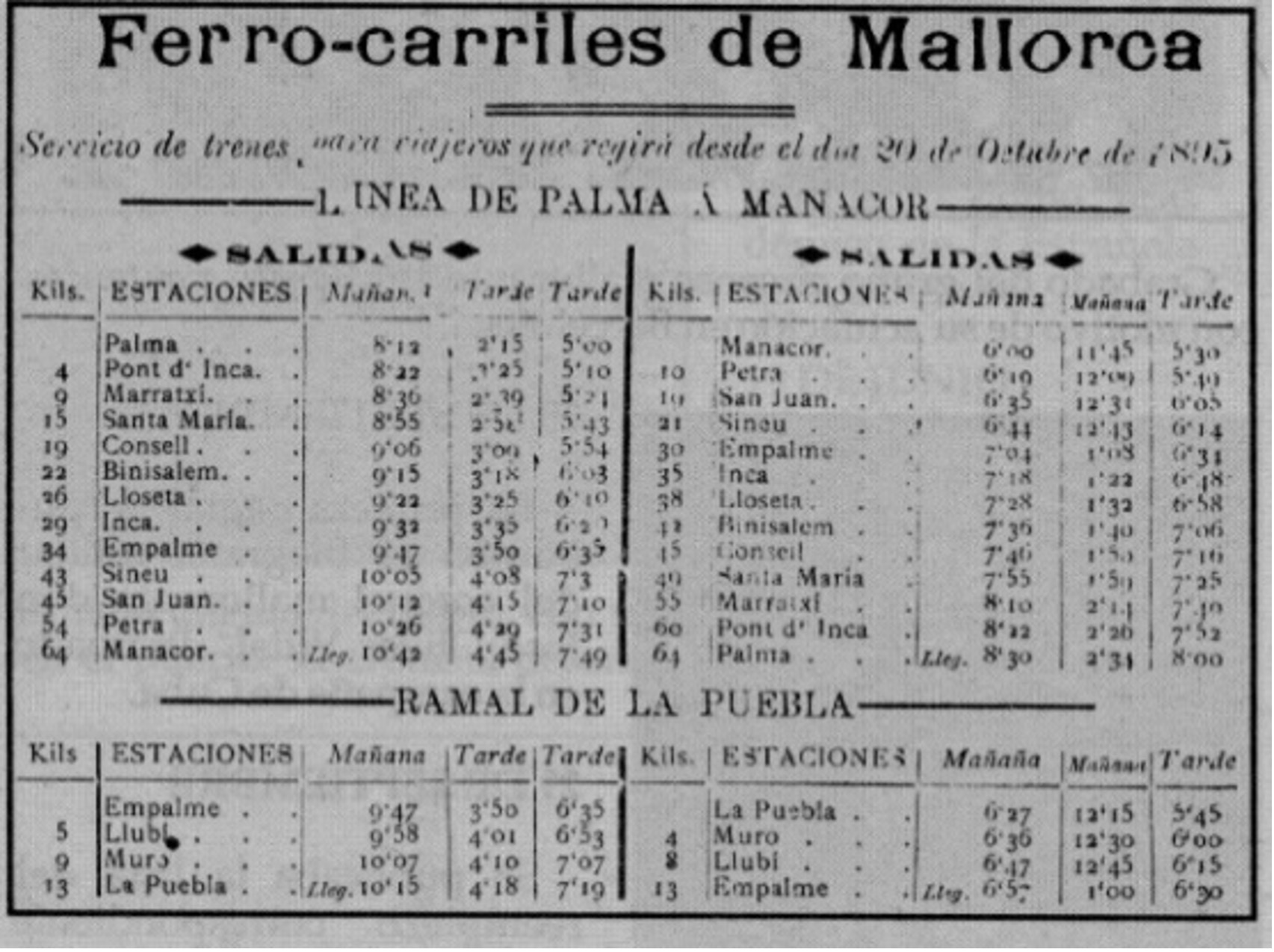
1900
1900
Expansion and Consolidation
RAILWAY FEVER
Compared with the previous transport system based on carts and stagecoaches, railways represented a significant improvement. Trains provided three daily services between towns, while stagecoaches often operated only once a day and carried far fewer passengers. Railway carriages offered seating for thirty-two passengers each, allowing a single train to transport hundreds of people. Rail travel was also safer, more reliable and considerably faster. Newspapers of the period frequently reported accidents involving stagecoaches caused by poor weather or road conditions. Thanks to its comfort and efficiency, the railway quickly became the preferred means of transport.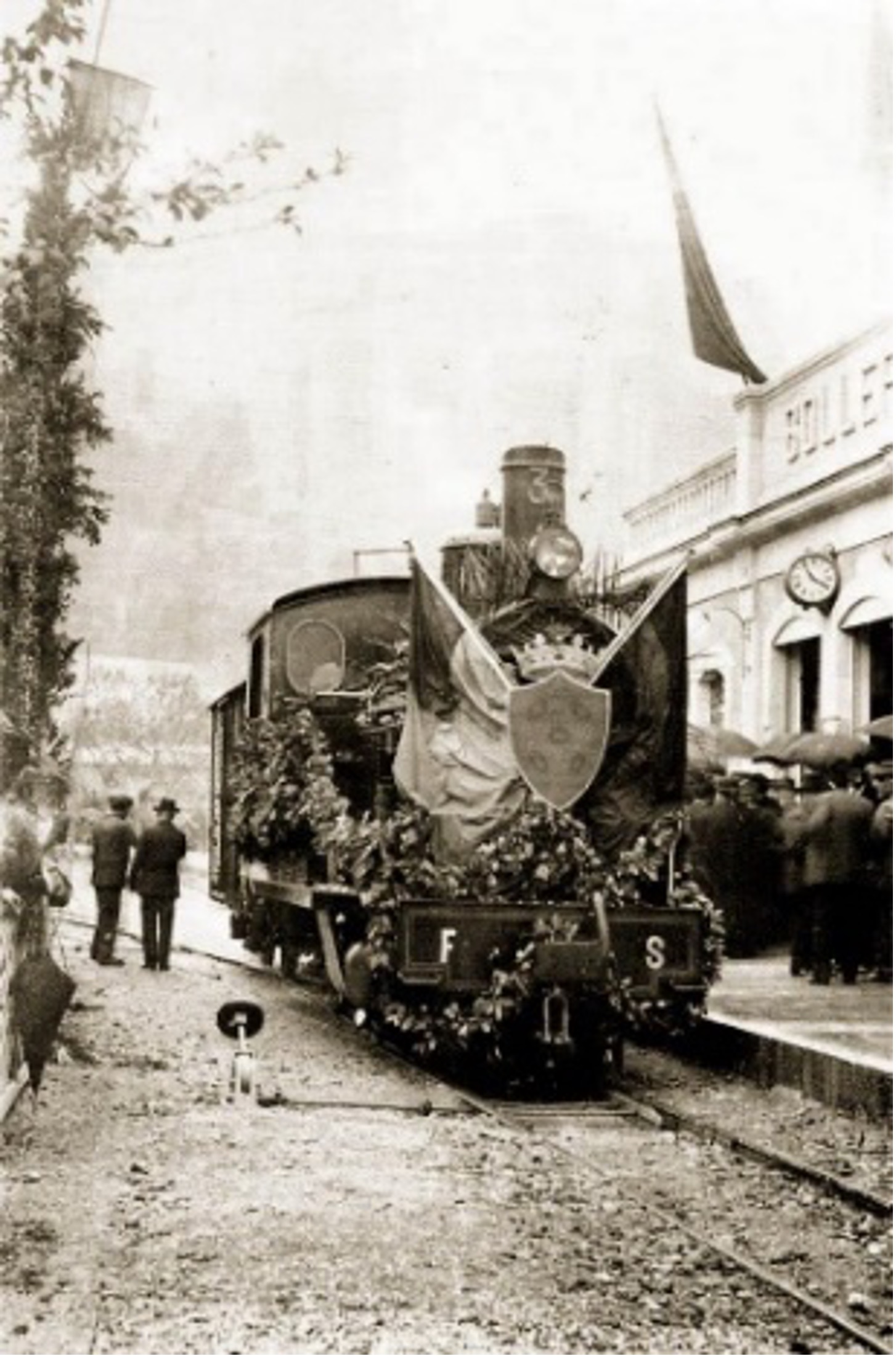
1912
1912
Railways and Tourism
TOURISM IN MALLORCA
Since the late nineteenth century, Sóller had enjoyed strong commercial and cultural ties with southern France. However, its location within the Serra de Tramuntana made communication with the rest of the island difficult. In 1908, the Sóller Railway Company was established and opened the Palma–Sóller line in 1912, followed by the Sóller–Port de Sóller tramway in 1913. The mountainous terrain required major engineering works, including tunnels and bridges. Among the most remarkable was the tunnel connecting Sóller and Bunyola. From the outset, the railway contributed significantly to the development of tourism. Mallorca's first luxury hotel, the Gran Hotel, opened in 1903, while the Foment del Turisme tourism board was established in 1905. Jeroni Estades, promoter of the railway, also proposed a second route linking Palma and Sóller via Deià, Valldemossa and Esporles, although this project was never realised.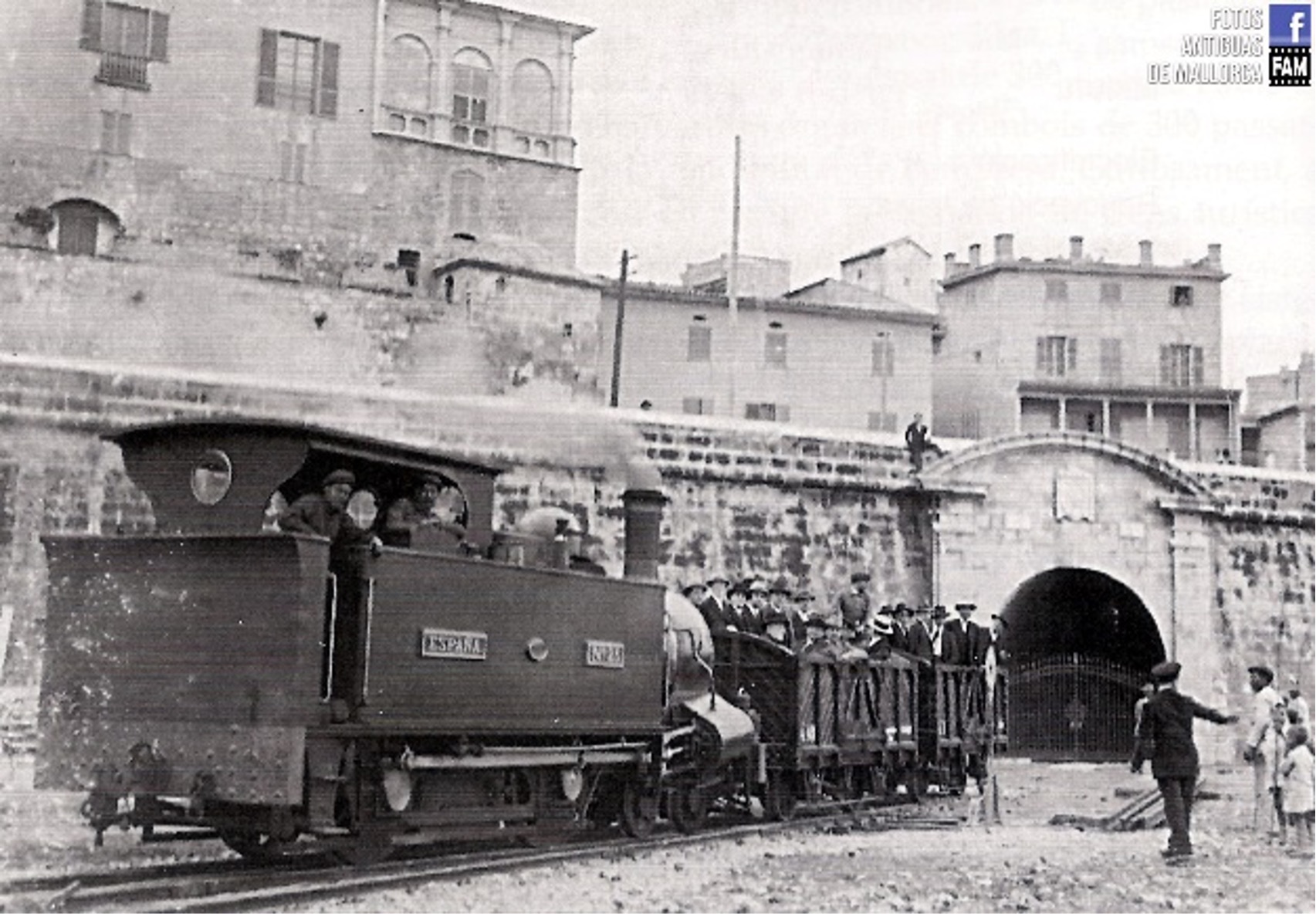
1913
1913
Great Social Success
FULL STEAM AHEAD!
In 1913, Ferrocarrils de Mallorca began construction of the Palma–Santanyí line via Llucmajor, which opened in 1917. In 1921, the Manacor–Artà line was inaugurated. With these new routes, the Mallorcan railway reached its golden age. The island's railway network expanded to 281 kilometres and achieved a track density per square kilometre well above the Spanish average. In just fifty years, the railway had become a major social and commercial success, connecting more than forty stations across Mallorca. During the 1920s and 1930s, the Spanish State continued to support railway development through significant public investment. Major improvements included the undergrounding of the railway line serving Palma Harbour, inaugurated in 1931, the electrification of the Sóller Railway in 1929 and the installation of a double track between Palma and Inca in 1932.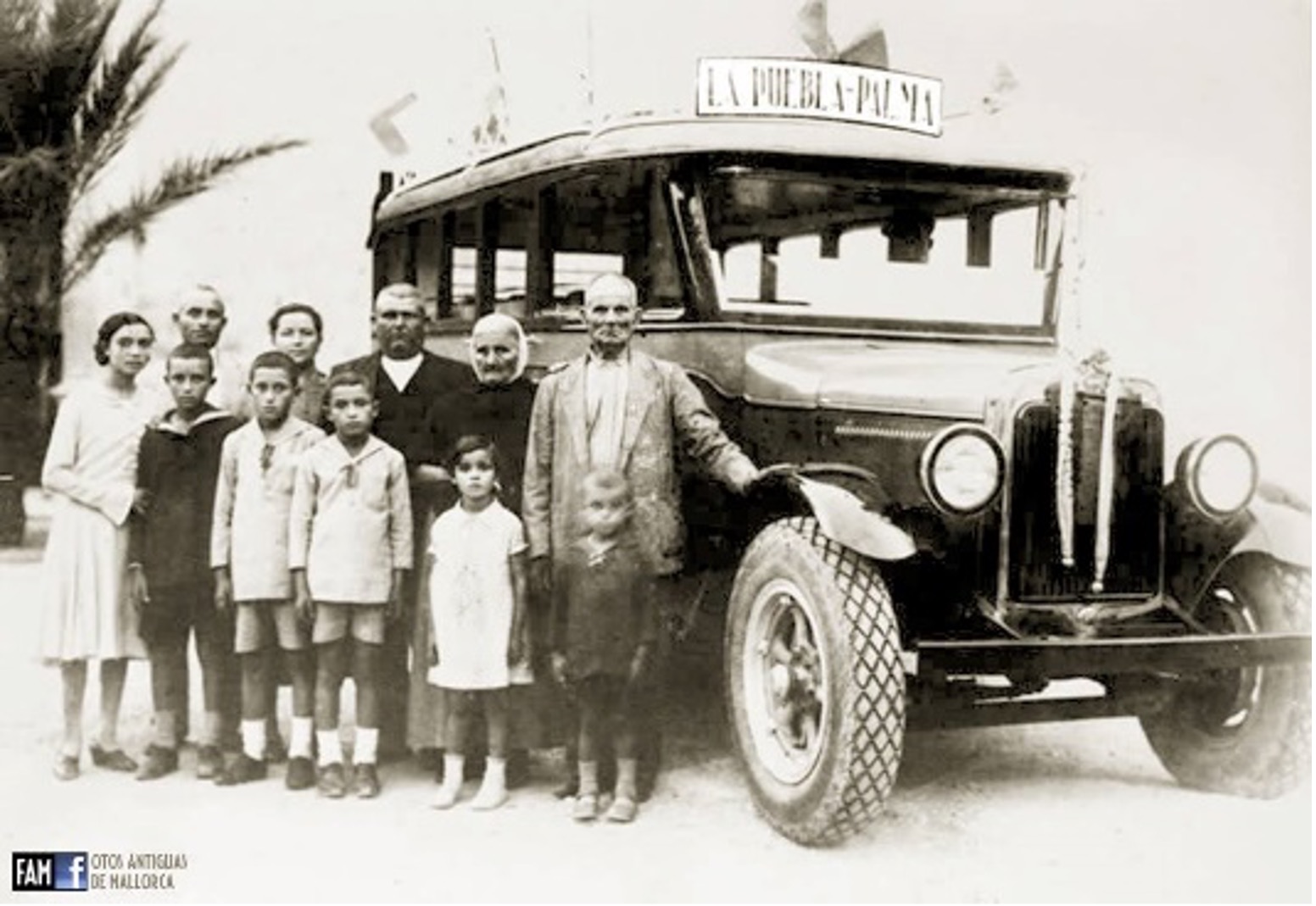
1920
1920
Rising Fares
THE ARRIVAL OF THE AUTOMOBILE
Despite the railway's success during the early decades of the twentieth century, some lines remained financially unprofitable. Government subsidies helped sustain the network for a time, but these gradually disappeared during the 1930s. As operating and labour costs increased, railway companies were forced to raise fares. This made rail travel less competitive at a time when road transport was becoming increasingly popular. Cars, buses and lorries offered a faster and more flexible alternative for both passengers and freight. In response, railway companies increased service frequencies and attempted to keep ticket prices affordable. Despite these efforts, the decline of the railway as the island's primary means of transport had begun, marking the start of a period of contraction that would last for decades.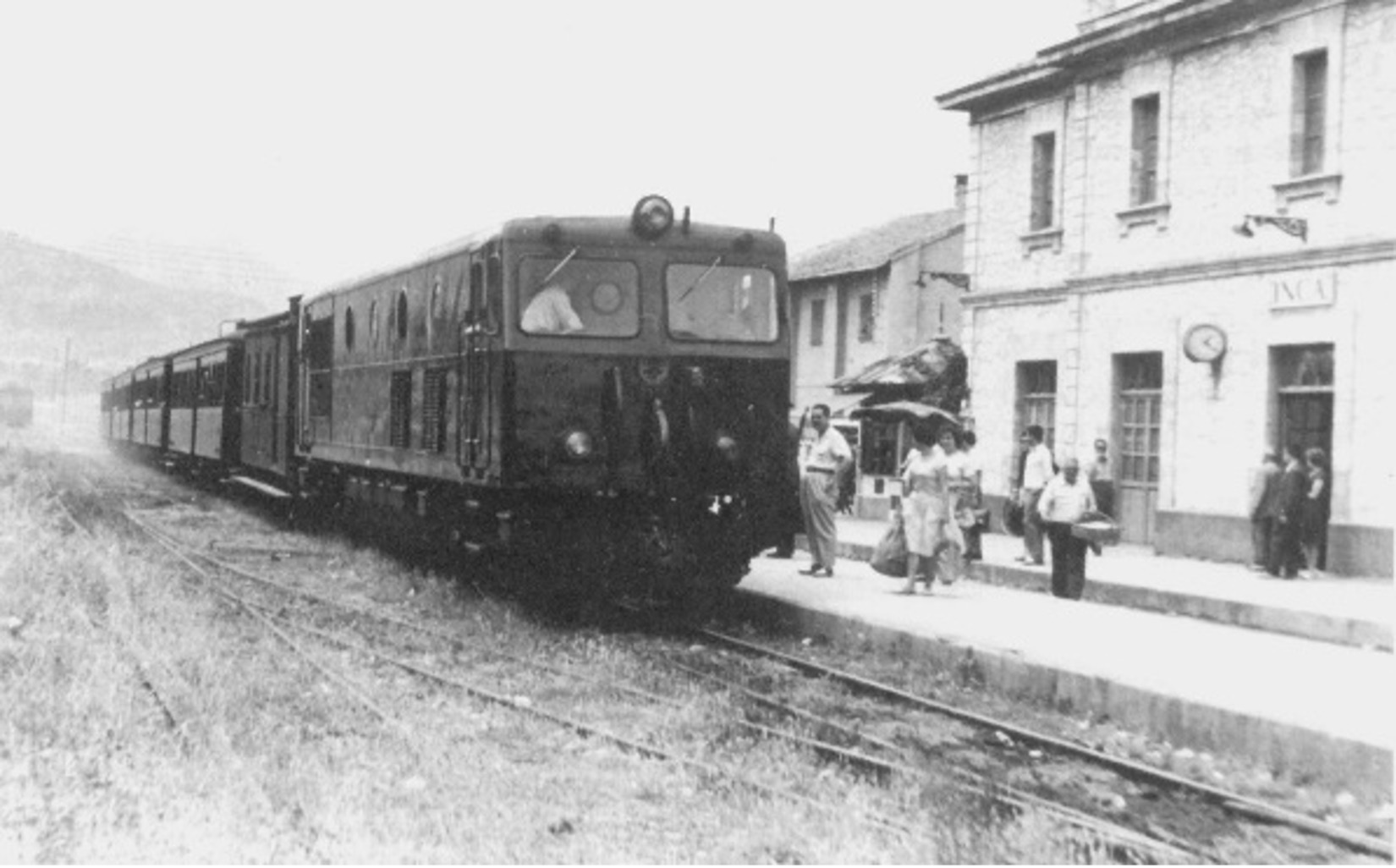
1959
1959
The Decline of the Railway
CUTS AND SHORTGATES
The Spanish Civil War and the difficult post-war years further weakened the railway sector due to severe budget cuts and shortages of materials and spare parts. For a brief period, fuel shortages encouraged greater use of rail transport, but this proved temporary. Road transport gradually became dominant, and the railway was increasingly neglected.The situation became unsustainable and, in 1959, the network was absorbed by the state-owned company FEVE (Spanish Narrow-Gauge Railways). FEVE introduced a programme of gradual modernisation, including the purchase of diesel and electric railcars.
At the same time, several unprofitable lines were closed. The Palma–Santanyí line and the harbour freight line ceased operations in 1964, the Felanitx line closed in 1967, and the Inca–Manacor–Artà route followed in 1977. The rapid growth of tourism during the 1960s and 1970s accelerated this decline, as most railway lines did not reach the coast and tourists increasingly relied on cars and coaches.
1980
1980
Closure of the Inca–Sa Pobla Line
A CRITICAL POINT
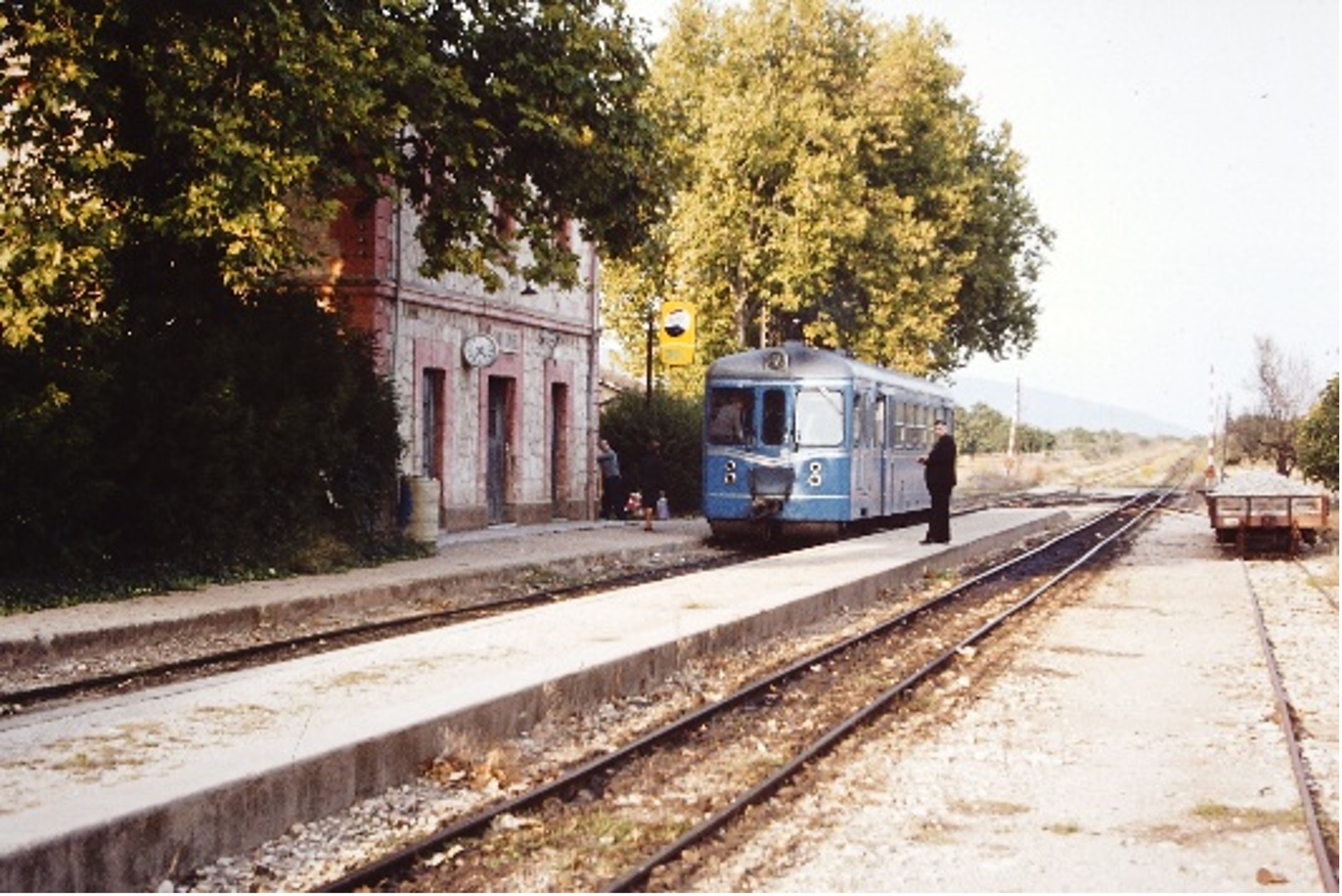
The beginning of the 1980s marked the lowest point in the history of rail transport in Mallorca. In 1981, during the conversion of the Palma–Inca line to metre gauge, FEVE closed the section between Inca and Sa Pobla. This decision further reduced the role of the railway on the island. Following the closure, only 60.6 kilometres of track remained in operation, compared with the 281 kilometres that existed in 1931. The network was reduced to a single route: the original Palma–Inca line opened in 1875.
1994
1994
The Beginning of a New Era
SFM IS CREATED
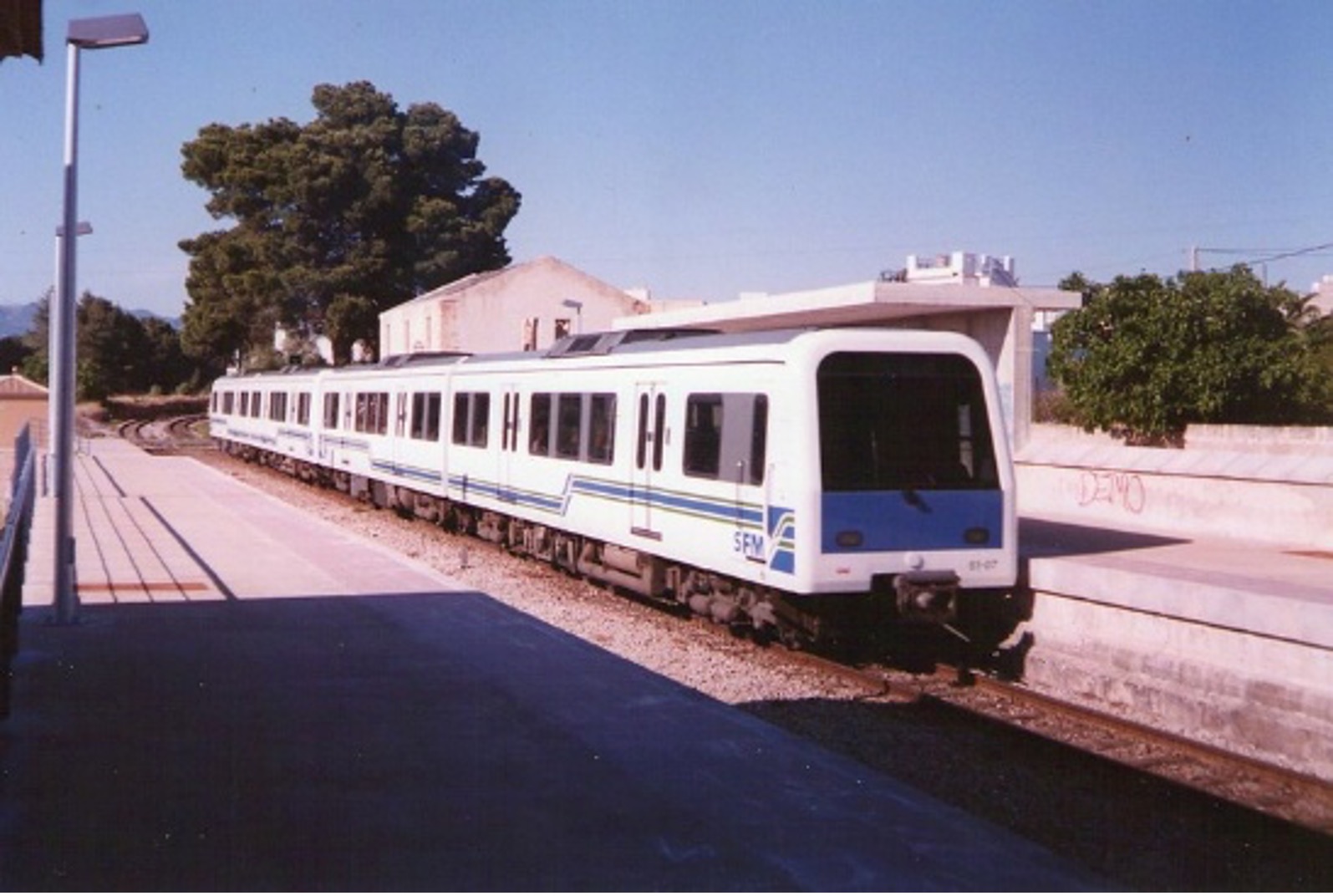
For many years, public opinion in Mallorca strongly supported the revival of rail transport. In 1994, the Spanish Government transferred responsibility for the railway network to the Government of the Balearic Islands, which created a new public company: Serveis Ferroviaris de Mallorca (SFM). One of SFM's first challenges was the rehabilitation of infrastructure that had suffered decades of underinvestment and neglect.Major initiatives included the restoration of stations, the modernisation of rolling stock, increased service frequencies and the construction of new maintenance and repair facilities at Son Rullán in 1997. Passenger numbers quickly began to rise again. The creation of SFM marked the beginning of a new phase of recovery and development for Mallorca's railways.
2001
2001
Recovery of Former Routes
NEW MOMENTUM
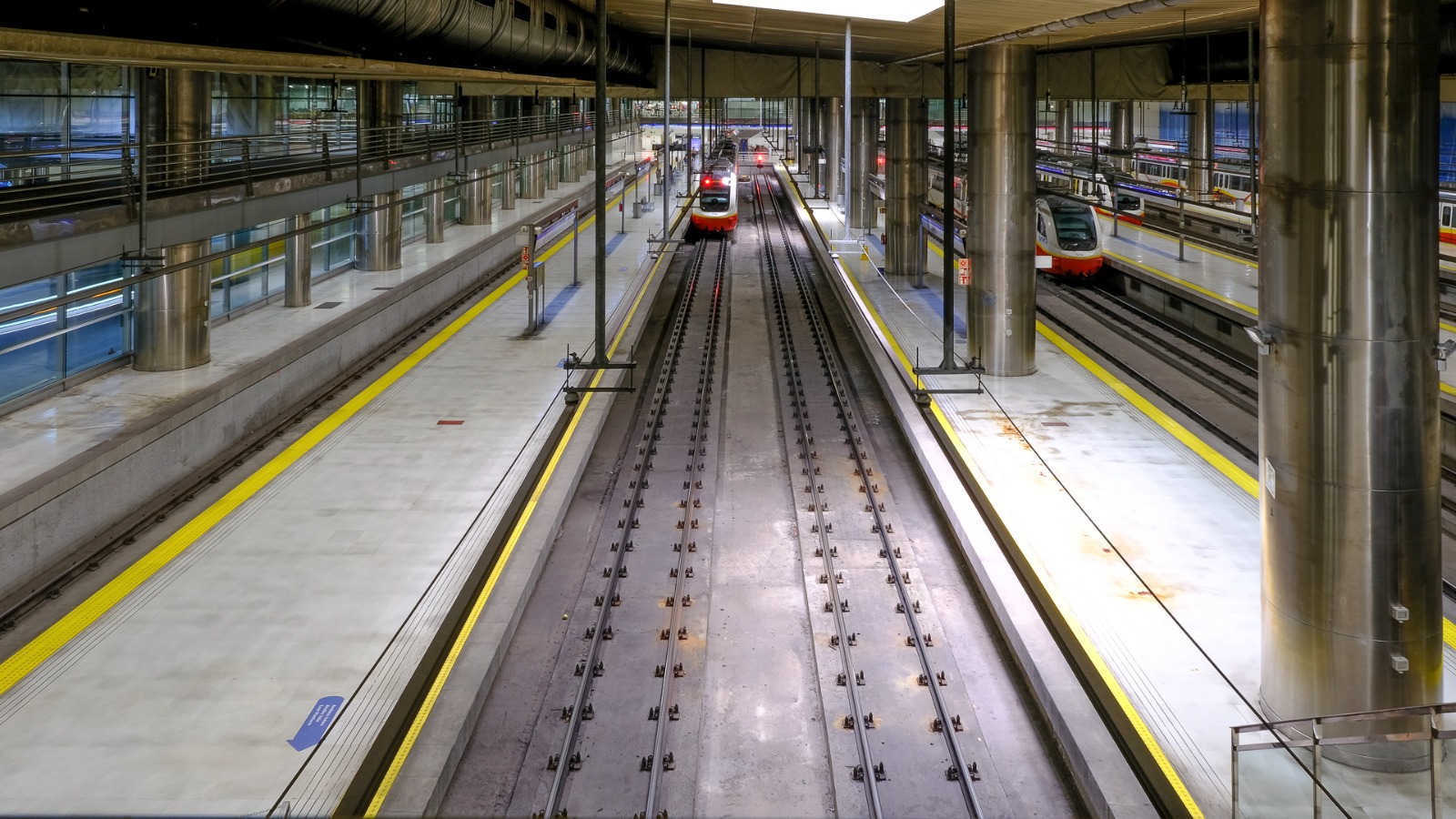
One of the most significant achievements of this period was the reopening of railway lines that had previously been dismantled. Passenger services between Inca and Sa Pobla resumed in 2001, followed by the reopening of the Enllaç–Manacor branch in 2003.These projects were accompanied by the renovation of existing stations and the construction of new ones to improve service and provide greater coverage across the island.
Among the most important developments were:
• Opening of the Polígon de Marratxí and Pont d'Inca Nou stations in 2001.
• Construction of the Palma–University of the Balearic Islands (UIB) metro line between 2004 and 2007.
• Undergrounding of the railway between Palma and Son Oliva and the construction of three new underground stations.
• Opening of Es Caülls station in 2007.
• Duplication of the track between Inca and Enllaç Station in 2009 to eliminate a major bottleneck in the network.
2010
2010
Commitment to Modernisation
THE ELECTRIC RAILWAY
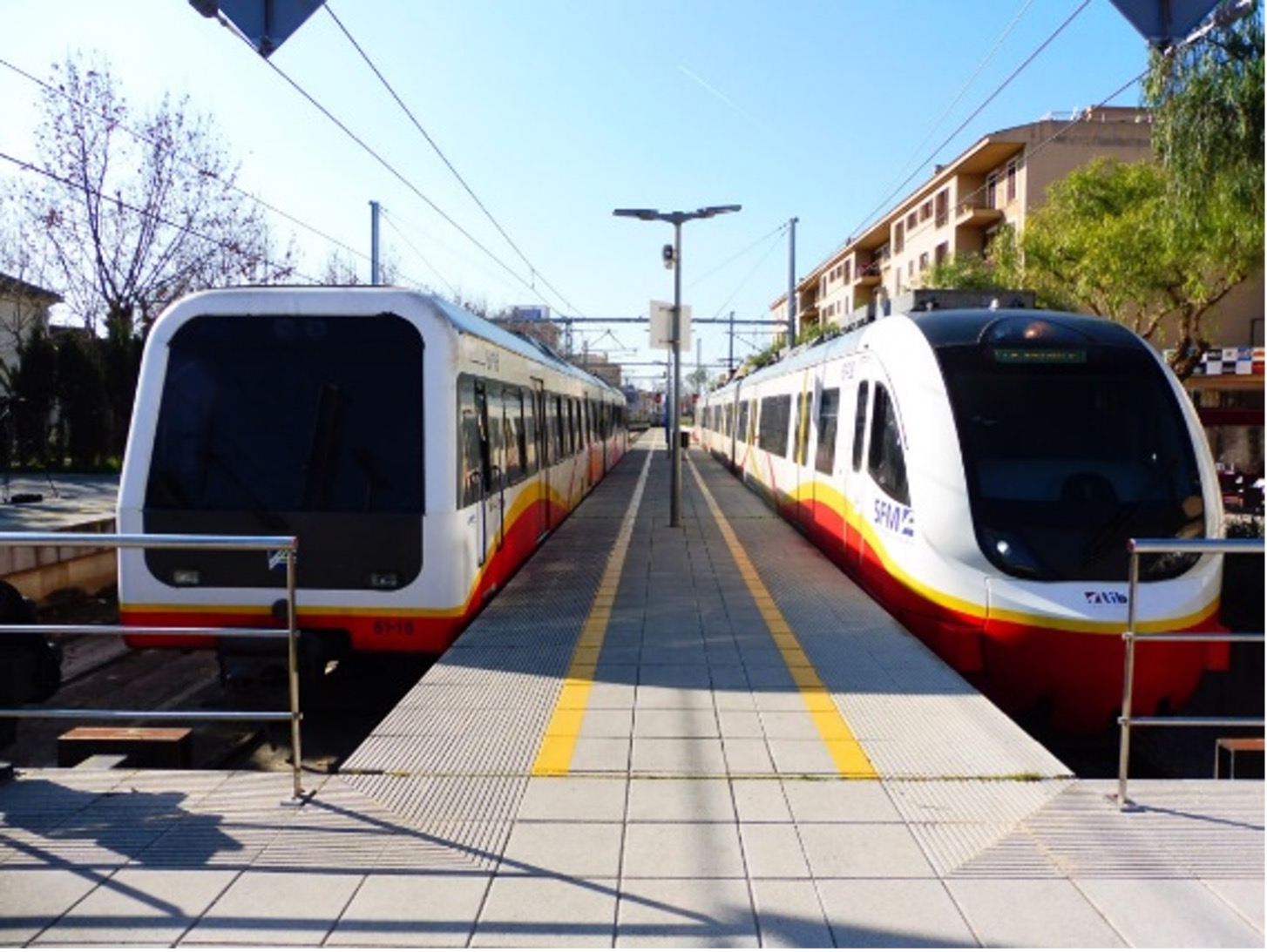
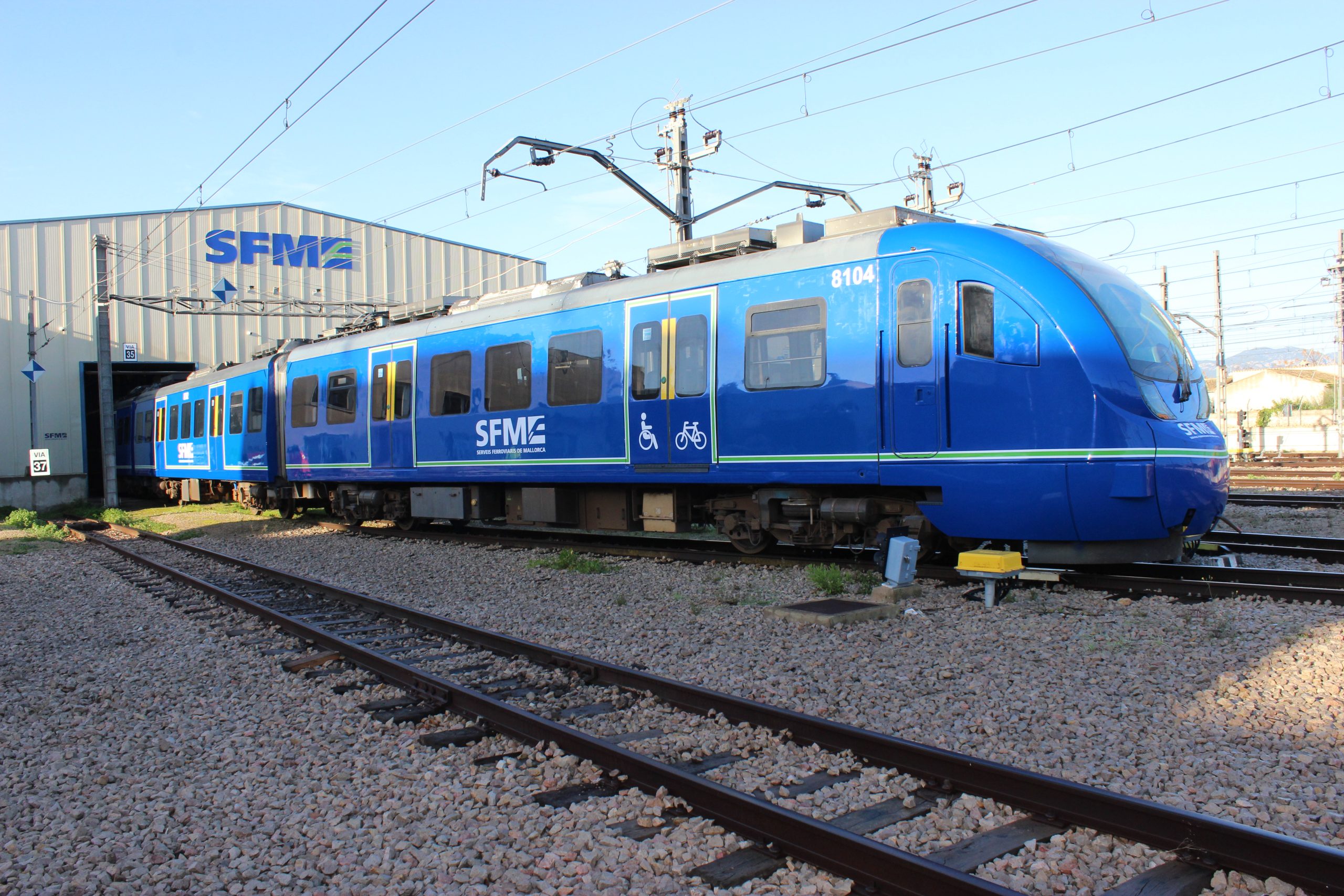
In response to the challenge of making rail transport both sustainable and efficient, SFM launched a programme to electrify the entire network.This transformation required the gradual replacement of diesel trains with modern electric units. The first phase began in 2010 and was completed in 2012, while the second phase was carried out between 2017 and 2019.
The electrification of the railway represented a major milestone in the modernisation of Mallorca's public transport system. It brought significant environmental and economic benefits, including lower maintenance costs, reduced energy consumption, lower CO₂ emissions, less noise pollution and a reduction in the use of polluting lubricants.
2025
2025
Future Projects